 Save to Pinterest
 I discovered this board while wandering through a Tokyo night market, mesmerized by the way vendors arranged glistening mushrooms and dark seaweed into these architectural masterpieces. The umami hit my palate like a secret language I'd been waiting to understand. Years later, I recreated that memory in my own kitchen, and now it's become my favorite way to gather people around food, to make them pause and appreciate how texture and flavor can tell a story together.
I remember serving this to my cookbook club on a rainy Sunday, watching their skepticism turn to wonder as they mixed ponzu-dipped mushroom with crispy shallot and seaweed. One friend asked for the recipe before she'd even finished her first plate, and I knew I'd captured something special.
Ingredients
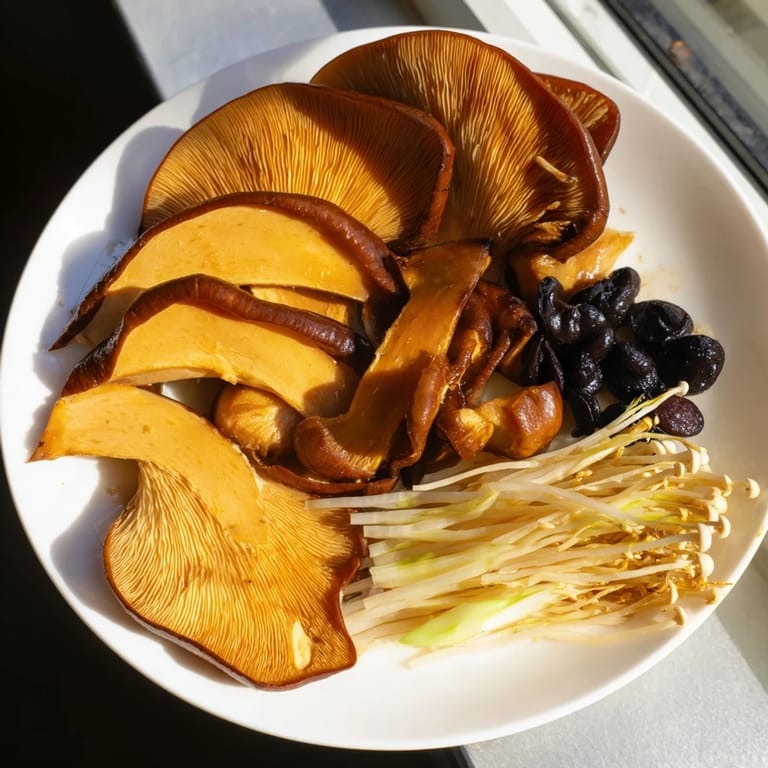
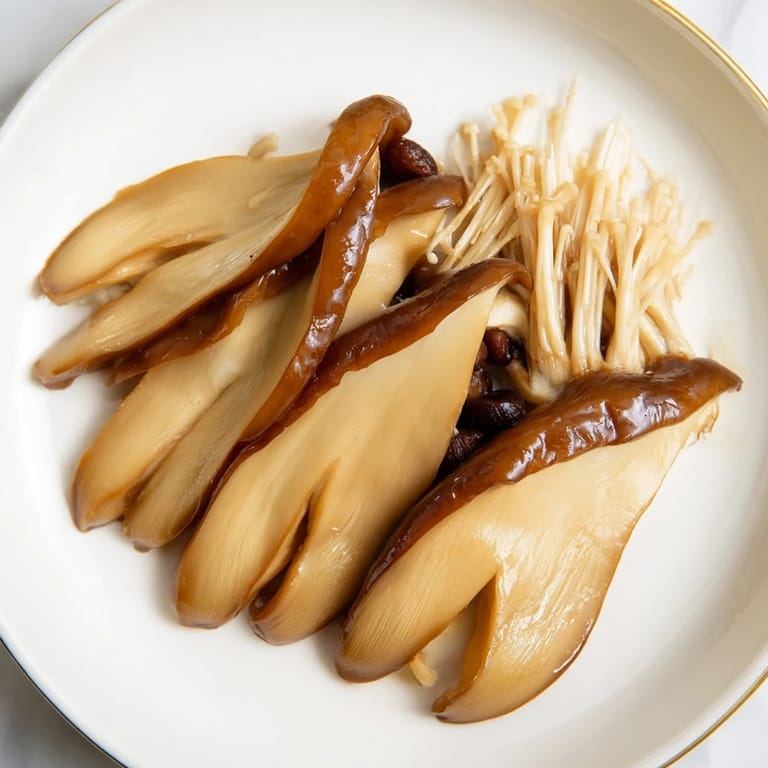
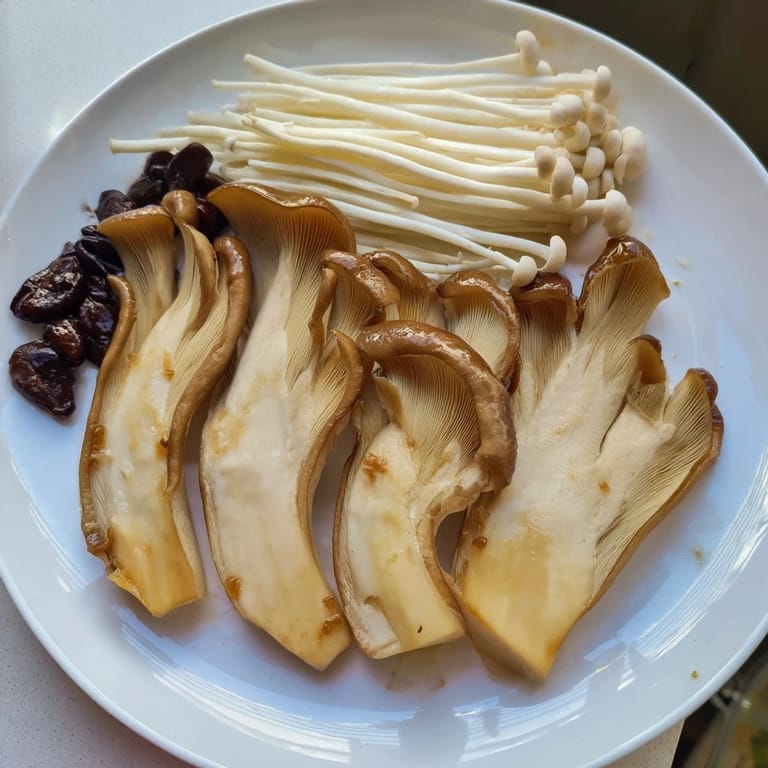
- Shiitake mushrooms, 200 g sliced: These are the backbone of umami depth, meaty when sautéed until their edges turn golden brown
- King oyster mushrooms, 150 g sliced: They hold their shape beautifully and develop a delicate sweetness when kissed with heat
- Enoki mushrooms, 100 g trimmed: These delicate strands add an ethereal texture and stay tender even when cooled, perfect for the visual drama
- Sesame oil, 1 tbsp: Use toasted sesame oil for that nutty depth that makes people close their eyes when they taste it
- Soy sauce, 1 tbsp: Or tamari if you're keeping it gluten-free, this is your umami anchor
- Mirin, 1 tsp optional: It adds a whisper of sweetness that balances the savory elements
- Roasted seaweed snacks, 8–10 sheets: These are ready-to-eat treasures that add crunch and that oceanic depth
- Seasoned seaweed salad, 50 g: Look for this in the Asian section, it's already dressed and adds immediate flavor
- Nori, 1 sheet cut into strips: The familiar green ribbons add visual contrast and a toasted seaweed punch
- Pickled daikon radish, 100 g sliced: This brings brightness and a sharp contrast that keeps your palate engaged
- Pickled ginger, 100 g: It cuts through richness like a palate cleanser, a trick I learned from sushi masters
- Edamame, 60 g shelled and steamed: Sweet, grassy, and packed with protein, they add color and substance
- Black garlic cloves, 40 g peeled: These molasses-dark gems are sweet and funky, completely transformed from their fresh counterparts
- Fermented black beans, 40 g rinsed and drained: Salty and complex, they're a secret weapon for depth
- Roasted cashews or peanuts, 80 g: The crunch factor that makes people keep coming back, choose whichever you prefer
- Fried shallots, 40 g: These golden crispy bits are addictive and add texture that fresh onion never could
- Fresh coriander, 1 small bunch leaves picked: Bright, citrusy, it lifts everything around it
- Chives, 1 small bunch finely chopped: Their gentle onion whisper adds freshness without overpowering
- Red chili, 1 thinly sliced optional: For those who want heat, a few thin slices scattered across the board do the trick
- Ponzu sauce, 60 ml: Citrusy and complex, it's your bridge between all these flavors
- Spicy sesame dressing, 60 ml: Nutty and warming, it's the second voice in your dipping duo
Tired of Takeout? 🥡
Get 10 meals you can make faster than delivery arrives. Seriously.
One email. No spam. Unsubscribe anytime.
Instructions
- Sauté the Stars:
- Pour sesame oil into your skillet and let it shimmer over medium-high heat until the kitchen fills with that warm, toasted aroma. Add your shiitake and king oyster mushrooms, listening for that satisfying sizzle as they hit the hot surface. Let them be for 4–5 minutes, only stirring occasionally so they develop those caramelized, golden edges that mean they're ready. You'll know they're perfect when they smell earthy and rich. Add soy sauce and mirin, give everything a gentle toss, and cook for just one more minute. Remove from heat and let cool completely, giving them time to absorb all those flavors.
- Tenderize the Delicate Ones:
- Bring a pot of water to a rolling boil and carefully place your enoki mushrooms in for exactly 30 seconds, no more. This brief bath removes their raw edge while keeping them tender and keeping their beautiful structure intact. Drain immediately and let them cool on a clean towel, giving them space to breathe.
- Build Your Canvas:
- Take your largest board or platter and arrange the cooled mushrooms in overlapping fan shapes, almost like you're painting with them. Start with one variety in one area, then move to another, creating a visual rhythm. This is where patience becomes your secret weapon, where each placement matters.
- Layer Your Seaweed:
- Create additional fans using your roasted seaweed snacks and nori strips, interweaving them with the mushrooms. Add spoonfuls of seasoned seaweed salad in strategic spots, letting its glossy texture catch the light.
- Fill the Spaces with Treasures:
- Into the gaps between mushrooms and seaweed, nestle piles of pickled daikon, pickled ginger, edamame, black garlic, and fermented black beans. Think of it like filling in a puzzle, each ingredient finding its place where it complements what's around it.
- Crown with Crunch and Color:
- Scatter your roasted nuts, fried shallots, fresh coriander, and chopped chives across the board like you're adding the final brushstrokes to a painting. If using chili, slice it thin and distribute it for those who want gentle heat.
- Set Your Dipping Stations:
- Pour ponzu sauce and spicy sesame dressing into small bowls and nestle them onto the board itself, making them part of the landscape rather than afterthoughts. This invitation to customize each bite is what makes this board interactive and fun.
- Serve with Intention:
- Bring the board to the table immediately while everything is fresh and ready, and encourage your guests to experiment with combinations, to dip mushroom in ponzu then in sesame dressing, to pair crunchy elements with soft ones, to make their own discoveries.
 Save to Pinterest
 The first time someone picked up a piece of roasted seaweed, dipped it in ponzu, then combined it with a black garlic clove and fried shallot all in one bite, their eyes went wide. They didn't say anything, they didn't need to. That moment reminded me why I cook, why arranging food with care matters.
The Art of Assembly
Think of your board as negative space and positive space working together. Large mushroom fans need breathing room around them, which is where your small treasures like edamame and black garlic find their home. The best boards tell a visual story, with colors and textures distributed so your eye travels naturally from one area to another, encouraging exploration and discovery with every glance.
Flavor Pairings That Work Magic
This board works because it's built on layers of umami, but also on the contrast between those layers. The salty fermented elements play against bright pickled ones. Creamy edamame lives near crunchy nuts. Hot sesame dressing balances cool seaweed salad. Every pairing is intentional, teaching us that good food isn't just about individual ingredients, it's about how they speak to each other on the plate.
Making It Your Own
This recipe is a framework, not a prescription. The mushroom varieties can shift based on what your market has that day. If you find grilled tofu, slice it thin and fan it alongside the seaweed. If you're cooking for someone vegan, double-check that your mirin and sauces are plant-based, and maybe add sliced marinated tempeh for protein. The beauty of a board is its flexibility, its invitation to adapt.
- Substitute mushrooms with portobello or maitake if that's what speaks to you and what's fresh
- Add grilled tofu or marinated tempeh to make it heartier and more satisfying as a main course
- Pair with chilled sake or green tea to complete the experience and balance all those deep, rich flavors
 Save to Pinterest
 This board isn't just food, it's an experience you're creating for the people you care about. Watch them discover their favorite combination, watch them slow down and savor each thoughtful bite.
Recipe FAQs
- → What types of mushrooms are used in this dish?
Shiitake, king oyster, and enoki mushrooms provide a mix of textures and earthy flavors.
- → How are the mushrooms prepared for this dish?
Shiitake and king oyster mushrooms are sautéed in sesame oil with soy sauce and mirin, while enoki mushrooms are briefly blanched.
- → What role do seaweed ingredients play here?
Roasted seaweed snacks, seasoned seaweed salad, and nori strips add a fresh oceanic flavor and contrasting texture.
- → Are there options for additional protein in this preparation?
Grilled tofu slices or marinated tempeh can be added for extra vegetarian protein and richness.
- → What garnishes enhance the overall flavors?
Crunchy roasted cashews or peanuts, fried shallots, fresh coriander, chives, and optional red chili bring texture, aroma, and subtle heat.
- → What dipping sauces complement this board?
Ponzu sauce offers citrus tang while spicy sesame dressing provides a creamy, nutty kick for dipping.