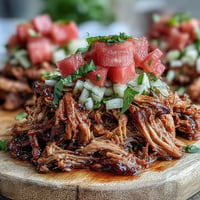
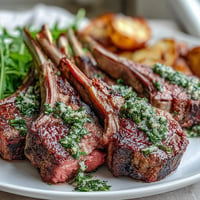
 Save to Pinterest
 The first time I tasted proper döner was at a tiny street stall in Istanbul during a scorching August afternoon, and I became obsessed with recreating that smoky, perfectly spiced meat at home. My kitchen doesn't have a vertical spit, but I discovered that layering marinated meat on skewers and roasting them creates those same caramelized edges and tender layers that make döner so irresistible. The aroma alone—cumin, coriander, and paprika mingling with charring meat—transported me right back to those crowded, vibrant streets.
I made this for a dinner party where my friend mentioned she'd never had authentic döner outside of Turkey, and watching her face light up after that first bite told me everything—the paprika-spiced meat, the yogurt marinade that kept it impossibly moist, those crispy caramelized edges. That night, people kept coming back for thirds, wrapping the meat in warm flatbread with sliced tomatoes and cucumber, making a mess and not caring one bit.
Ingredients
- 1 kg boneless lamb shoulder or beef sirloin, thinly sliced: Lamb gives you that authentic flavor, but beef works beautifully too—ask your butcher to slice it thin, about ¼ inch, so it absorbs the marinade faster and cooks evenly.
- 100 g lamb fat or beef fat, thinly sliced (optional): This is what makes döner taste like döner; the fat crisps and bathes the meat in richness, though you can skip it if you prefer something lighter.
- 150 g plain Greek yogurt: It acts as both tenderizer and binder, keeping the meat incredibly moist during the long cook.
- 3 tbsp olive oil: Use good quality here—it carries the flavors of the spices.
- 3 cloves garlic, minced: Fresh garlic is essential; jarred won't give you that bright, punchy flavor.
- 1 large onion, grated (juice squeezed out): The grating breaks down the onion's fibers, infusing the meat without leaving chunks; squeezing the juice prevents the marinade from becoming watery.
- 2 tsp ground cumin: This is the backbone of the spice blend—don't skip it or reduce it.
- 2 tsp ground coriander: It adds warmth and a subtle citrusy note that balances the earthiness.
- 2 tsp sweet paprika and 1 tsp smoked paprika: Together they create depth and that coveted reddish color; use both for the best effect.
- 1 tsp ground black pepper, 1 ½ tsp salt, ½ tsp cinnamon: The cinnamon is the secret ingredient that makes people ask what that mysterious warmth is in every bite.
- ½ tsp chili flakes (optional): Add this only if you want heat; it won't go unnoticed.
Tired of Takeout? 🥡
Get 10 meals you can make faster than delivery arrives. Seriously.
One email. No spam. Unsubscribe anytime.
Instructions
- Build the spice paste:
- In a large bowl, whisk together the yogurt, olive oil, minced garlic, and grated onion, then add every single spice and salt. The mixture should smell intensely aromatic—if it doesn't, you've probably forgotten something.
- Coat the meat:
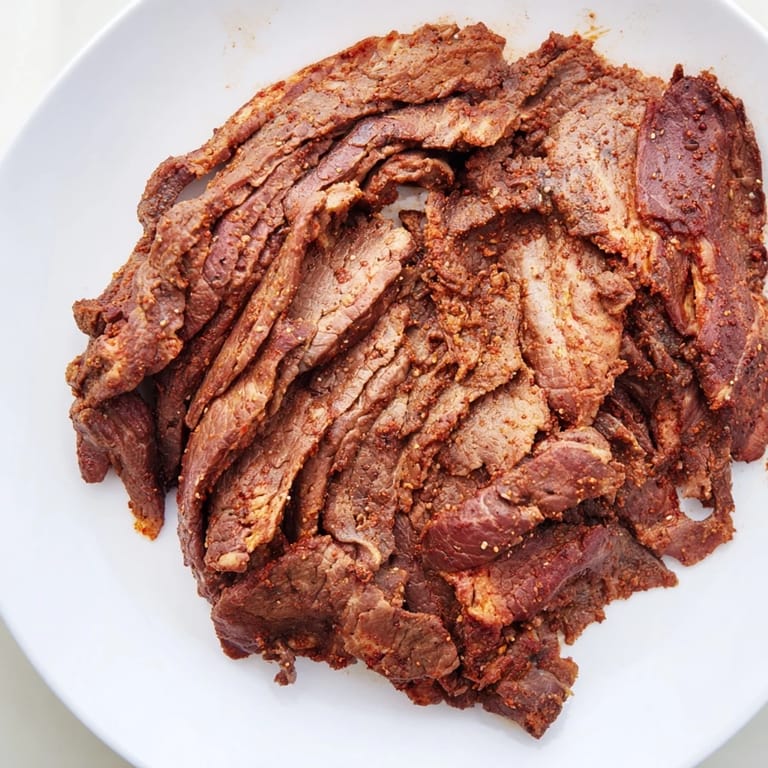
- Add your sliced meat (and fat, if using) and toss thoroughly so every piece gets coated in that golden marinade. Don't rush this step; use your hands and make sure nothing's left bare.
- Marinate overnight:
- Cover the bowl and refrigerate for at least 4 hours, though overnight is when the magic really happens—the meat becomes tender and the flavors deepen. You can prepare this step in the morning and cook by evening if needed.
- Thread onto skewers:
- Remove the meat from the fridge and let it sit for 15 minutes while your oven heats to 200°C (400°F). Thread the marinated meat tightly onto metal skewers, pressing and packing each piece down firmly so they form a cohesive, compact stack.
- Roast until golden:
- Place the skewers on a rack over a baking tray and roast for about 1 hour, basting with pan juices every 15 minutes or so—this keeps the outside crispy while the inside stays juicy. For extra browning and crispiness, bump the heat up to 220°C (430°F) for the final 15 minutes.
- Rest and slice:
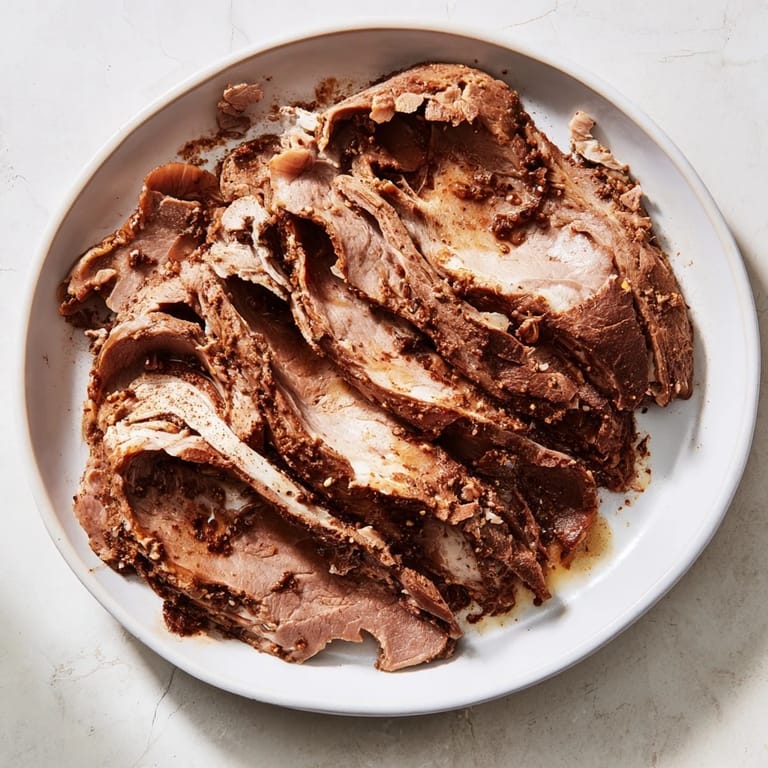
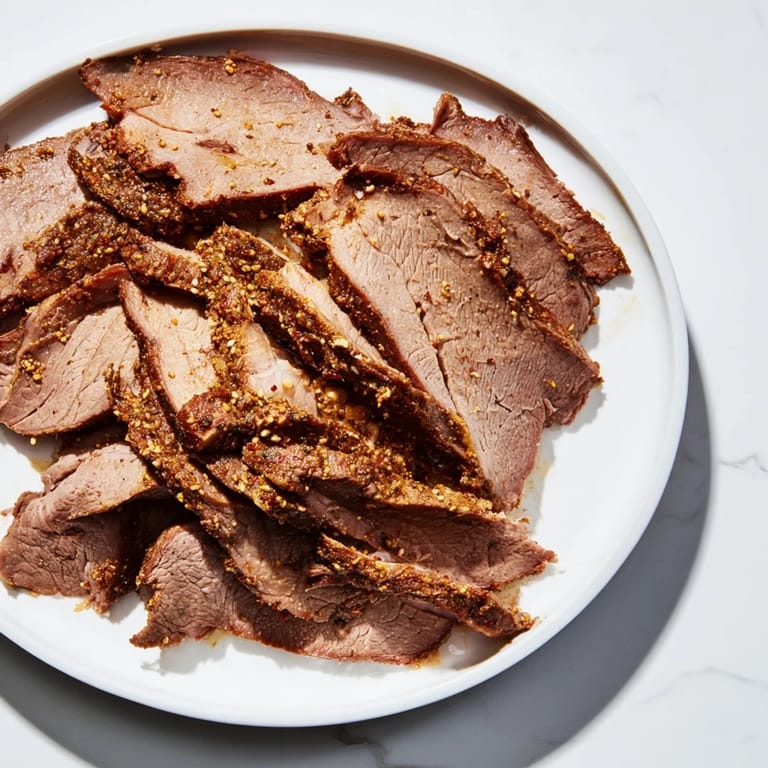
- Pull everything out and let it rest for 10 minutes—this allows the juices to redistribute. Using a sharp knife, slice the meat as thin as you can manage, scraping up any caramelized bits from the pan drippings.
- Serve immediately:
- Warm your flatbread, set out the tomatoes, onions, lettuce, cucumber, and yogurt sauce, then let everyone build their own wraps. There's something special about letting people customize their bite.
 Save to Pinterest
 There's something deeply satisfying about pulling that golden, smoky meat off the skewers and watching the edges curl and crisp—it feels like an accomplishment, even though you mostly just let the oven do the work. That's when döner stops being a recipe and becomes a moment, a meal that brings people together.
Marinade Magic
The beauty of this marinade is how the yogurt, garlic, and onion work together to tenderize the meat while the spices soak deep into every fiber. I once tried to speed things up by marinating for only 2 hours and the difference was noticeable—the meat was good but not transcendent, so trust the waiting period. The longer it sits, the more complex and mellow the flavors become, especially that warm cinnamon note that sneaks up on you.
Oven Versus Spit
A proper rotisserie creates döner's signature texture because the meat rotates continuously, crisping on the outside while staying tender within, and gravity helps fat render naturally. Without one, stacking marinated meat on skewers and roasting it does capture about 85 percent of that magic—you get the caramelization, the spice-crust, and tender layers, just without the constant turning. If you ever get access to a vertical rotisserie or spit, use it, but don't let the lack of one stop you from making this dish.
Serving and Storage
Döner is best served immediately while the meat is still warm and the spices are singing, but I've reheated leftovers gently in a pan with a splash of water and they've stayed tender and delicious. Fresh toppings make all the difference—crisp lettuce, cool cucumber, bright tomatoes, and that creamy yogurt sauce cut through the richness beautifully.
- Pair this with a crisp Turkish white wine or a cold glass of Ayran if you can find it—the tangy yogurt drink is made for this meal.
- Leftover meat keeps in the fridge for 3 days and can be layered into rice bowls, stuffed into pita, or even chopped and mixed into yogurt for a quick dip.
- If you have access to a vertical rotisserie or spit, use it for the most authentic experience, but don't let it intimidate you—the oven method works beautifully.
 Save to Pinterest
 Making döner at home transforms it from a street food craving into something intimate and proud—you've coaxed those complex spices and tender meat from your own kitchen. Serve it warm, gather people around, and let the meal do what it does best: bring everyone together.
Recipe FAQs
- → What type of meat works best for Turkish döner?
Boneless lamb shoulder or beef sirloin are excellent choices, providing tenderness and rich flavor when thinly sliced and marinated.
- → How long should the meat marinate?
For optimal flavor and tenderness, marinate the meat for at least 4 hours, preferably overnight.
- → Can I cook this without a vertical rotisserie?
Yes, tightly stacking marinated meat on skewers or in a loaf pan and roasting in the oven replicates the slow-cooked effect.
- → What spices enhance the depth of flavor?
A combination of cumin, coriander, sweet and smoked paprika, black pepper, cinnamon, and optional chili flakes create a balanced and aromatic profile.
- → How should the meat be served for best taste?
Slice the rested meat paper-thin and serve with warm flatbreads, fresh sliced vegetables, and tangy yogurt or garlic sauces for contrast.
- → Are there alternatives to lamb or beef fat?
Including some lamb or beef fat adds authenticity and juiciness, but it can be omitted for a leaner result.