 Save to Pinterest
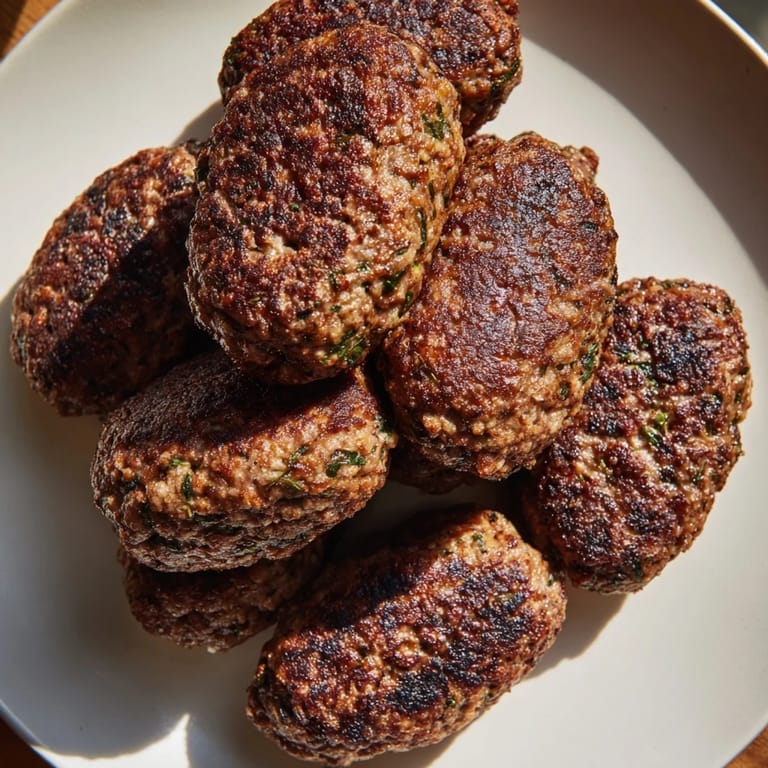
 I first tasted köfte at a tiny neighborhood grill in Istanbul, watching the vendor's hands move with such ease as he shaped dozens of meatballs, each one somehow identical. Years later, I tried making them in my own kitchen and realized it wasn't about perfection—it was about the warmth that bulgur brings to the meat, how the herbs almost seem to glow when you press them between your palms. These Turkish meatballs became a weeknight anchor, something I could make half-asleep and still impress someone at the table.
My friend Sarah once asked what made them different from every other meatball, and I remembered her eyes widening when she bit through the crisp, golden exterior into that tender, aromatic center. She ate six of them straight off the pan while I was still plating. That's when I knew these weren't just a recipe—they were the kind of food that makes people stop talking and start listening to what's on their plate.
Ingredients
- Ground beef or lamb (500 g): A blend of both gives you richness and a subtle gaminess that single meat can't achieve; don't skip grinding your own if you can, the texture matters.
- Fine bulgur (100 g): This acts as a moisture sponge and binder, keeping the meatballs tender rather than dense, and it absorbs the spice flavors beautifully.
- Small onion, finely grated (1): Grating instead of chopping releases more juice and lets the onion distribute evenly without creating hard pockets of raw bite.
- Garlic, minced (2 cloves): Fresh garlic is non-negotiable here; it needs to be raw so it perfumes the meat as it cooks.
- Fresh parsley (2 tbsp, finely chopped): This is the herb that gives köfte its signature brightness and should never be dried.
- Fresh mint (1 tbsp, or 1 tsp dried): Mint is the secret that separates these from ordinary meatballs—it adds an almost cool, refreshing note that surprises people.
- Ground cumin (1 tsp): This warm spice is the backbone; toast it lightly in a dry pan before grinding if you buy whole seeds.
- Paprika (1 tsp): Use the good stuff from Turkey or Hungary if you can find it; the color and subtle sweetness make a real difference.
- Black pepper (½ tsp): Freshly cracked pepper provides a sharp contrast to the soft, herb-forward flavors.
- Chili flakes (½ tsp, optional): A whisper of heat rounds out the spice profile without overwhelming the dish.
- Salt (1 tsp): Taste as you go; you might want slightly more if using unsalted meat.
- Large egg (1): This is your binder, keeping everything together without making the meatballs tough.
- Olive oil (2–3 tbsp): Use something flavorful enough that you'd eat it on bread, not industrial-grade oil that tastes like nothing.
Tired of Takeout? 🥡
Get 10 meals you can make faster than delivery arrives. Seriously.
One email. No spam. Unsubscribe anytime.
Instructions
- Soften the bulgur:
- Pour warm water over the bulgur and let it sit quietly for 10 minutes; you'll watch it plump up and become almost tender to the bite, ready to welcome everything else.
- Build the mixture:
- Add all your herbs, spices, meat, and egg to the bulgur and dive in with clean hands, squeezing and pressing until the mixture becomes cohesive and slightly sticky. This is where you can feel if something is off—too dry, too wet—and adjust accordingly.
- Shape with confidence:
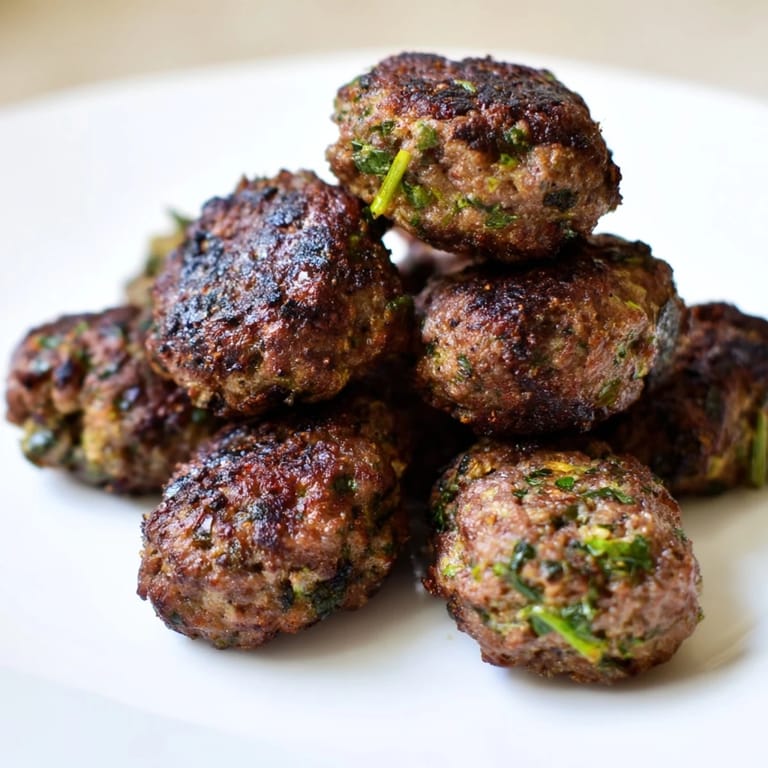
- Wet your hands slightly with cold water so nothing sticks, then roll each meatball into an oval about walnut-sized; the slight dampness on your hands is what creates that smooth exterior.
- Choose your heat:
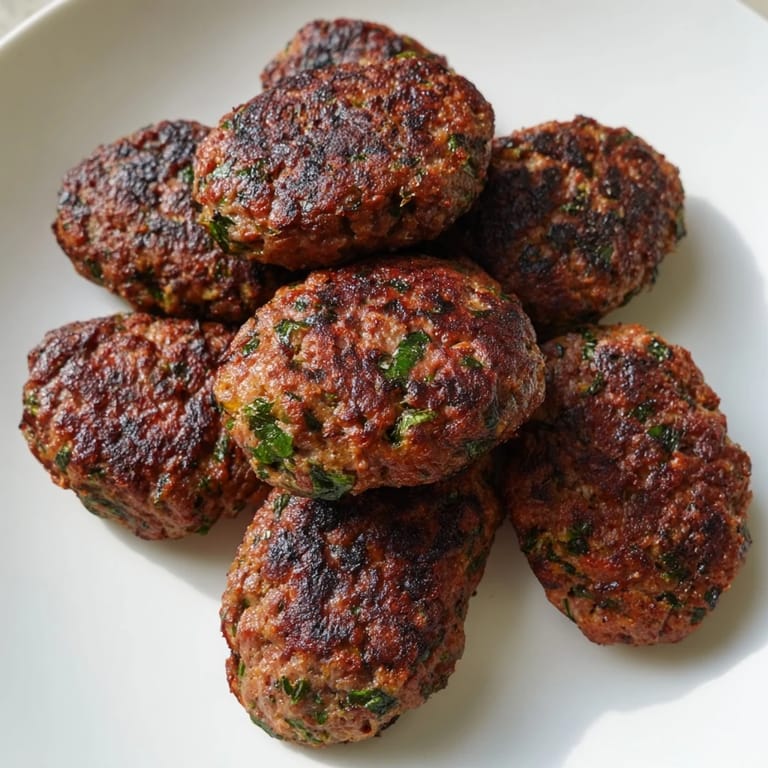
- For pan-frying, get your olive oil shimmering in a skillet over medium heat and add meatballs in a single layer, letting them sit undisturbed for 3–4 minutes so they develop a golden crust before you turn them. For grilling, medium-high heat and a light oil coating on the grates prevents sticking while giving you those beautiful char marks.
- Cook until done:
- The meatballs are ready when the exterior is golden and crispy and a quick internal check shows no pink; this usually takes 3–4 minutes per side depending on your heat source.
- Rest and serve:
- Let them sit for just two minutes on the serving plate so they finish cooking through gently; serve them hot with whatever calls to you—rice, flatbread, or a bright salad.
 Save to Pinterest
 There was a moment in my kitchen when I stopped thinking of these as just another recipe and started seeing them as a small, everyday luxury. It was a winter evening, and I was making them for myself after a long day, and something about shaping them by hand—feeling the warmth of the mixture, smelling the fresh herbs release their oils—turned the task into something meditative. That's when I understood what my Istanbul vendor already knew: köfte is as much about the making as it is about the eating.
Pan-Frying Versus Grilling
Pan-frying gives you control and a reliably golden, crispy crust; it's forgiving and quick, perfect for weeknight cooking when you want them done in fifteen minutes. Grilling, on the other hand, adds a charred dimension and requires a bit more attention, but the smoky exterior and juicy interior make it worth the effort when you have time. I find myself pan-frying more often, but when summer pulls me outside, the grill is where these meatballs truly shine.
Serving Suggestions That Transform Them
Köfte is never just one thing on a plate; it's a conversation between the meatball and what surrounds it. A cooling yogurt sauce spiked with mint becomes a counterpoint to their warmth, while grilled tomatoes and peppers add smoke and sweetness. I've served them wrapped in warm flatbread with thinly sliced onion and sumac, and I've nestled them on fluffy white rice with a squeeze of lemon—both felt complete. The dish is flexible enough to bend toward whatever feels right, whether that's casual or celebratory.
Make-Ahead and Storage Wisdom
These meatballs were built for life beyond one meal. Shape them raw, freeze them on a tray until solid, then transfer them to a bag where they'll keep for two months—you can cook them straight from frozen, adding just a minute or two per side. Cooked leftovers reheat beautifully in a skillet over low heat and are honestly just as good cold, making them ideal for lunchboxes or midnight snacking the way they're meant to be.
- A pinch of cinnamon or allspice deepens the spice profile in ways that feel almost undetectable but absolutely transformative.
- Grate your onion just before you cook so it releases its full juice, rather than sitting and oxidizing.
- If the mixture feels too loose after mixing, it's because your bulgur wasn't quite soft enough—a few more minutes of soaking fixes it.
 Save to Pinterest
 There's something quietly powerful about a food this simple becoming this memorable. These meatballs aren't complicated, but they're honest, and when made with attention, they taste like someone who cares spent time in the kitchen thinking about them.
Recipe FAQs
- → What type of meat is best for these köfte?
Ground beef, lamb, or a mix of both works well, offering a balance of flavor and tenderness.
- → Can I prepare the bulgur in advance?
Yes, soaking bulgur ahead softens it and helps the mixture bind better before shaping.
- → How do I achieve a crispy exterior when cooking?
Pan-fry in olive oil over medium heat or grill with a light coating of oil until golden brown on all sides.
- → What herbs add the most flavor in this dish?
Fresh parsley and mint contribute freshness and aromatic notes, balanced by spices like cumin and paprika.
- → Can these meatballs be frozen before cooking?
Yes, shape and freeze the raw meatballs on a tray, then transfer to a bag to keep their shape and flavor intact.