 Save to Pinterest
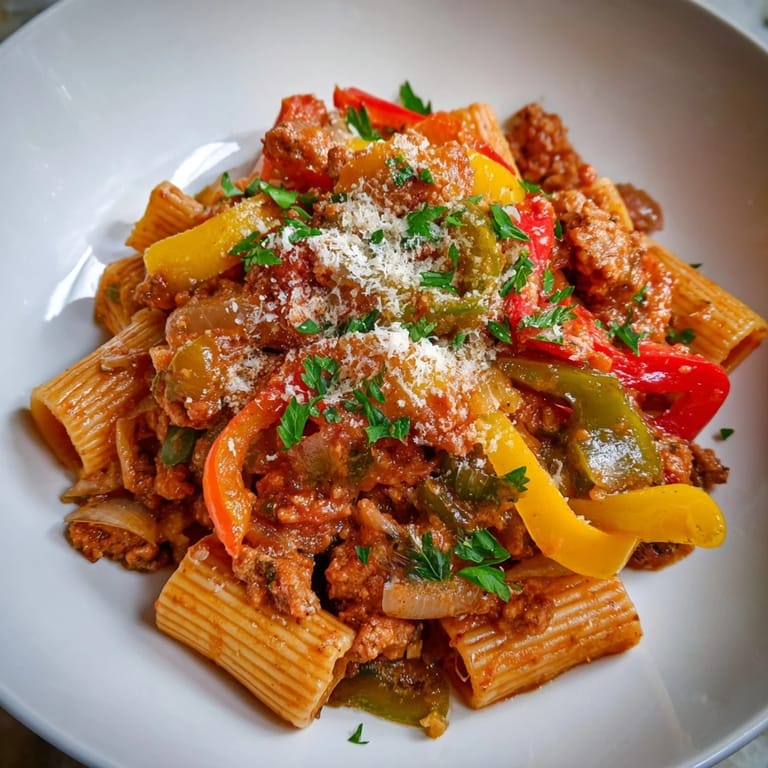
 There's something about the smell of Italian sausage hitting a hot pan that instantly transports me back to Sunday afternoons at my aunt's kitchen in Brooklyn. She'd have this dish going by early evening, and the whole apartment would fill with this incredible aroma of caramelized peppers and tomato. The first time I made it myself, I was nervous I'd somehow mess up something so seemingly simple, but watching those colorful peppers soften and the sausage brown reminded me that the best dishes don't need to be complicated—they just need good ingredients and attention.
I made this for my neighbor Sarah on a random Thursday when she'd had a rough day at work, and I watched her shoulders relax with the first forkful. There's real power in that—when food stops being sustenance and becomes comfort. She told me later that the garlic-sausage combination was what she kept thinking about the next morning, which felt like the highest compliment.
Ingredients
- Italian sausage (1 lb, casings removed): The backbone of this dish—I learned to remove the casings rather than slice them because it browns faster and distributes more evenly through the sauce.
- Red, yellow, and green bell peppers (1 of each, sliced): The trio of colors matters more than just looking pretty; each pepper brings its own sweetness level, and together they create this complex, layered flavor that no single pepper could deliver.
- Large onion (1, thinly sliced): These get sweet and almost melt into the sauce, so don't skip the slicing step—thin matters here.
- Garlic (3 cloves, minced): Three cloves feels right because you want to taste it without letting it overshadow the other elements.
- Penne or rigatoni pasta (12 oz): The ridges catch sauce, which is why I'd never use spaghetti for this; the tube shapes are essential to the whole experience.
- Crushed tomatoes (1 can, 14 oz): Canned tomatoes are honestly better than fresh here because they're consistent and already concentrated in flavor.
- Tomato paste (2 tbsp): This deepens the sauce in a way nothing else can—don't skip it thinking tomatoes will be enough.
- Dried oregano and basil (1 tsp and ½ tsp): These dried herbs bloom in the warmth of the sauce and actually work better than fresh in this application.
- Crushed red pepper flakes (½ tsp, optional): I always add mine because the gentle heat wakes everything up, but respect your family's tolerance levels.
- Olive oil (2 tbsp): Good oil makes a difference in how the sausage browns and carries flavor forward.
- Fresh parsley and Parmesan (for garnish): These finishing touches feel like the punctuation mark that makes the whole sentence sing.
Tired of Takeout? 🥡
Get 10 meals you can make faster than delivery arrives. Seriously.
One email. No spam. Unsubscribe anytime.
Instructions
- Get your pasta going first:
- Bring that salted water to a rolling boil before anything else starts cooking—this is your timing anchor. Salt it generously so the pasta itself tastes good, and remember to grab a mug of that starchy pasta water before draining; it's liquid gold for adjusting sauce later.
- Brown the sausage until it's deeply golden:
- Heat your oil in the skillet and let it shimmer just slightly before the sausage goes in, then don't touch it for a minute—let it develop real color. Break it up with your spoon as it cooks, and you'll know it's ready when there are no pink bits left and the edges are crispy.
- Sauté the peppers and onions until they soften and caramelize:
- This is where patience pays off; don't rush this step because you're building sweetness and depth. You want the edges of the peppers to turn slightly golden and the onions to become nearly translucent, which takes about 5-6 minutes of medium heat.
- Add garlic and let it perfume everything:
- Just one minute of cooking garlic is enough—any longer and it can taste bitter. You'll smell the shift immediately when it's ready.
- Build your sauce:
- Stir in the tomato paste first and let it caramelize slightly on the pan for about a minute, then add your tomatoes and seasonings. The paste step changes everything; it's not just mixing it in cold.
- Bring the sausage home:
- Return that browned sausage to the skillet and let everything simmer together for 3-4 minutes so the flavors actually get to know each other. If the sauce looks too thick, that pasta water you saved is your secret weapon.
- Toss it all together:
- Add the drained pasta to the skillet and gently toss until every piece gets coated in sauce. This is where you add more pasta water if needed—you want it to coat, not drown.
 Save to Pinterest
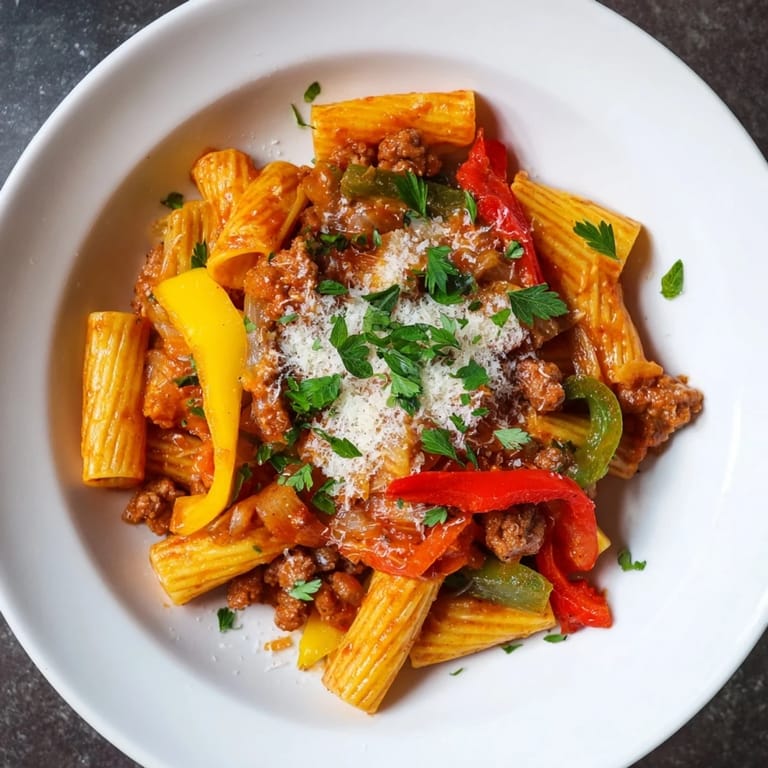
 I remember my roommate in college watching me make this and saying it looked fancy enough for a date night, and I realized she was right—something about the colors and the aroma made it feel more intentional than it actually was. It became our go-to dinner when we wanted to feel like we were treating ourselves without ordering out.
The Pepper Question
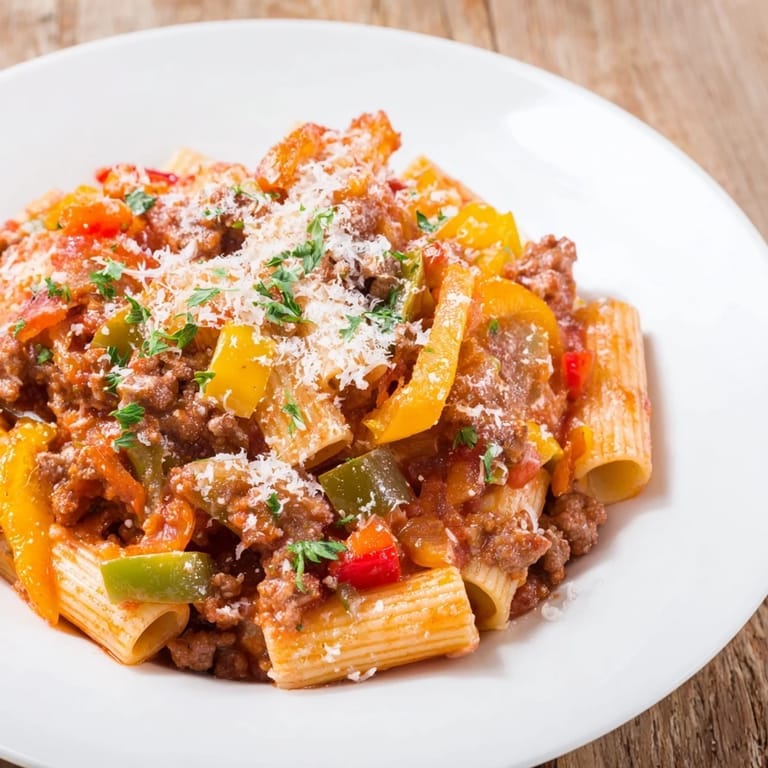
People always ask me why I use three different colored peppers when one would technically work. The truth is that red peppers bring sweetness, yellows add a slightly citrusy note, and greens contribute a bit of earthiness and structure. Together they create a complexity that feels almost orchestrated. If you're budget-conscious, two colors work fine, or even all of one kind, but if you can swing the three, they genuinely transform the dish from good into something memorable.
Sausage Selection Matters
I've made this with spicy sausage when I wanted more kick and mild when cooking for people who prefer subtlety, and both are correct answers. The choice changes the personality of the dish without changing the structure. I've also experimented with fennel-forward sausage, and that brought an almost unexpected sweetness that paired beautifully with the peppers. The sausage is your ingredient wild card here.
Beyond the Basic Bowl
This dish has a secret life beyond just serving it as is. I've ladled it over crusty bread when I wanted something less formal, spooned it into bell pepper halves and baked it for a different presentation, and even used leftovers the next morning stirred into eggs for a kind of breakfast scramble. Think of it as a foundation rather than a fixed destination.
- A splash of red wine stirred in during the sauce stage adds a warmth and depth that makes people wonder what your secret ingredient is.
- Fresh basil torn in at the very end (not cooked) creates a bright note that cuts through the richness perfectly.
- If you have time, letting it sit for 5 minutes after combining allows the flavors to settle and marry together more completely.
 Save to Pinterest
 This recipe became my comfort in uncomfortable times and my flex on nights when I wanted to prove I could cook something real. It's the kind of dish that asks nothing of you except presence and decent ingredients, and rewards you with something your people will talk about long after the plates are cleared.
Recipe FAQs
- → What type of sausage is best for this dish?
Mild or spicy Italian sausage, with casings removed, works best to deliver rich, savory flavor.
- → Can I substitute the pasta type?
Yes, penne or rigatoni are ideal, but other short pasta shapes can be used as well.
- → How do I soften the bell peppers properly?
Sauté sliced bell peppers and onions over medium heat until tender and slightly caramelized, about 5-6 minutes.
- → Is there a way to adjust the spice level?
Omit or reduce the crushed red pepper flakes for a milder flavor, or choose spicy sausage for extra heat.
- → How can leftover sauce be stored?
Store leftover sauce in an airtight container in the refrigerator for up to 3 days or freeze for longer storage.
- → What can be added for extra flavor?
A splash of red wine during simmering adds depth and richness to the sauce.