 Save to Pinterest
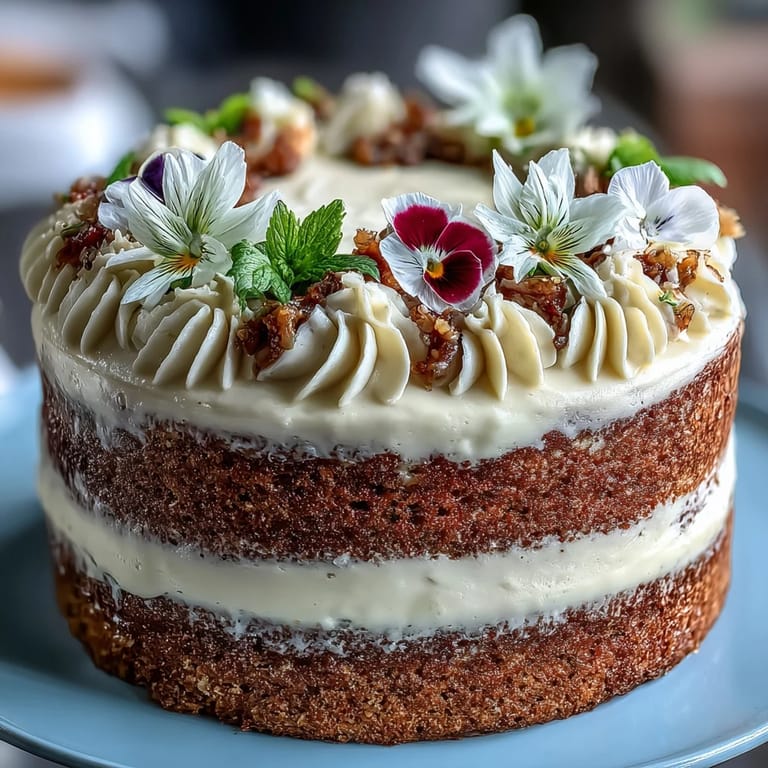
 My sister's best friend mentioned offhandedly that she'd never had a homemade birthday cake, and something about that stuck with me. I wanted to make something that felt both special and manageable, so I landed on these mini layer cakes—small enough to feel intimate, fancy enough to mark the occasion. The first time I added edible flowers on top, watching them sit like little jewels in the buttercream, I realized this wasn't just dessert. It was an excuse to slow down and make someone feel seen.
I made these for my mom's milestone birthday last spring, and my nephew—who usually pushes dessert around his plate—actually asked for seconds. He wanted to know if the flowers were real, and when I told him yes, he ate them first, like he was saving the best part. That moment of genuine curiosity and joy changed how I think about decorating food.
Ingredients
- All-purpose flour (1 1/4 cups): The foundation that keeps these cakes tender rather than dense—sift it if your flour compacts easily in the bag, and don't pack it down when measuring.
- Baking powder (1 tsp): This gives the cakes their gentle lift without requiring whipping air into egg whites, which means less fussing and more reliable results.
- Unsalted butter (1/2 cup for cake, 3/4 cup for frosting): Room temperature butter is non-negotiable here because cold butter won't cream properly, and you'll end up with a grainy texture instead of that cloud-like crumb.
- Granulated sugar (3/4 cup): The standard choice because it dissolves quickly and creams evenly with the butter, creating that signature tender cake structure.
- Eggs (2 large, room temperature): Cold eggs can seize the butter mixture and cause it to break, so pull them out of the fridge at least 30 minutes before you start.
- Vanilla extract (1 tsp for cake, 1 tsp for frosting): Use pure vanilla, not imitation, because you'll taste the difference in something this delicate and lightly flavored.
- Lemon zest (1/2 tsp): Fresh lemon zest is what makes these cakes memorable—it brightens everything without tasting overtly citrus-y, just sophisticated.
- Whole milk (1/2 cup, room temperature): The temperature matters because it helps the batter emulsify smoothly without breaking or becoming greasy.
- Powdered sugar (2 cups, sifted): Sift this before measuring or you'll end up with an overly stiff buttercream that fights you during assembly.
- Edible flowers (1 cup): Source these from specialty cake suppliers or farmers' markets where you can ask about pesticide use—never pick from a garden or florist without absolute certainty they're food-safe.
Tired of Takeout? 🥡
Get 10 meals you can make faster than delivery arrives. Seriously.
One email. No spam. Unsubscribe anytime.
Instructions
- Set up and preheat:
- Get your oven to 350°F and line a 9x13-inch sheet with parchment paper. Greasing the parchment might seem fussy, but it keeps the edges from sticking and tearing when you cut out those perfect rounds later.
- Mix the dry ingredients:
- Whisk flour, baking powder, and salt together in a medium bowl—this distributes the leavening evenly so you don't get random dense pockets in your cakes.
- Cream butter and sugar:
- Beat them together for about three minutes until it looks pale and fluffy, almost like soft-serve ice cream. This step is where the cake gets its tender structure, so don't rush it.
- Incorporate eggs and flavorings:
- Add eggs one at a time, beating well between each addition so they emulsify into the butter rather than sitting as little pools. Then mix in the vanilla and lemon zest until everything smells incredible.
- Alternate wet and dry:
- Add half the flour mixture, then milk, then the remaining flour, mixing gently after each addition until you can't see streaks of flour. Overmixing at this point develops gluten and makes the cake tough, so stop as soon as it comes together.
- Bake the cake sheet:
- Spread the batter evenly across your pan and bake for 18 to 22 minutes until a toothpick inserted in the center comes out clean. The kitchen will smell like buttery, lemony heaven.
- Cool and cut:
- Let the cake cool completely on the pan—patience here prevents the rounds from breaking when you cut them. Use a 2.5 to 3-inch round cutter and press straight down without twisting, which keeps the edges clean and gives you those professional-looking rounds.
- Make the buttercream:
- Beat softened butter until it's creamy, then gradually add the sifted powdered sugar so you don't create a sugar cloud in your kitchen. Add vanilla, salt, and milk a tablespoon at a time until the frosting is light, fluffy, and spreadable.
- Tint if desired:
- If you want pastel-colored frosting, add just a tiny drop of food coloring and beat until the color is even throughout. A little goes a long way, and you can always add more, but you can't take it out.
- Assemble the cakes:
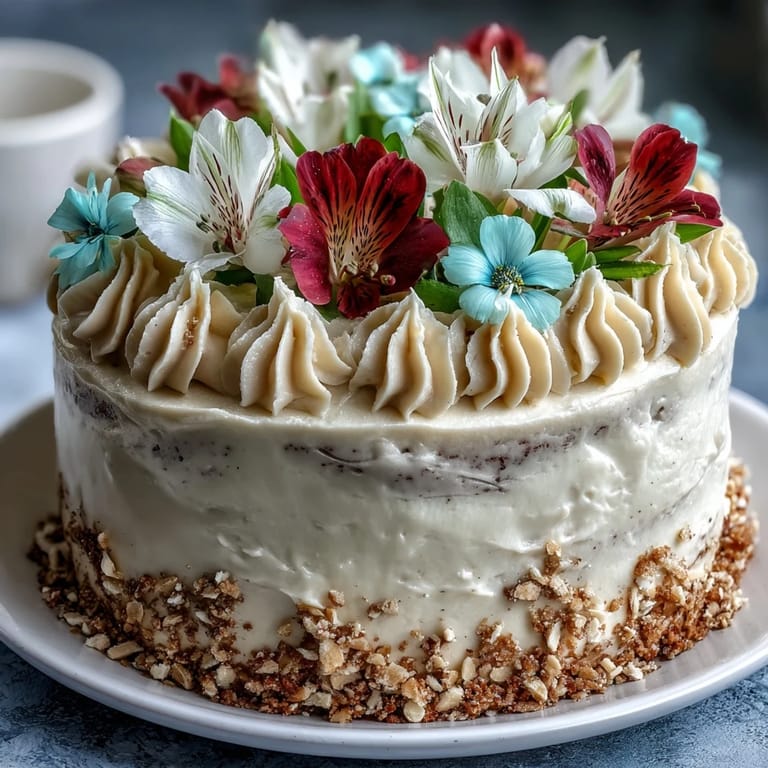
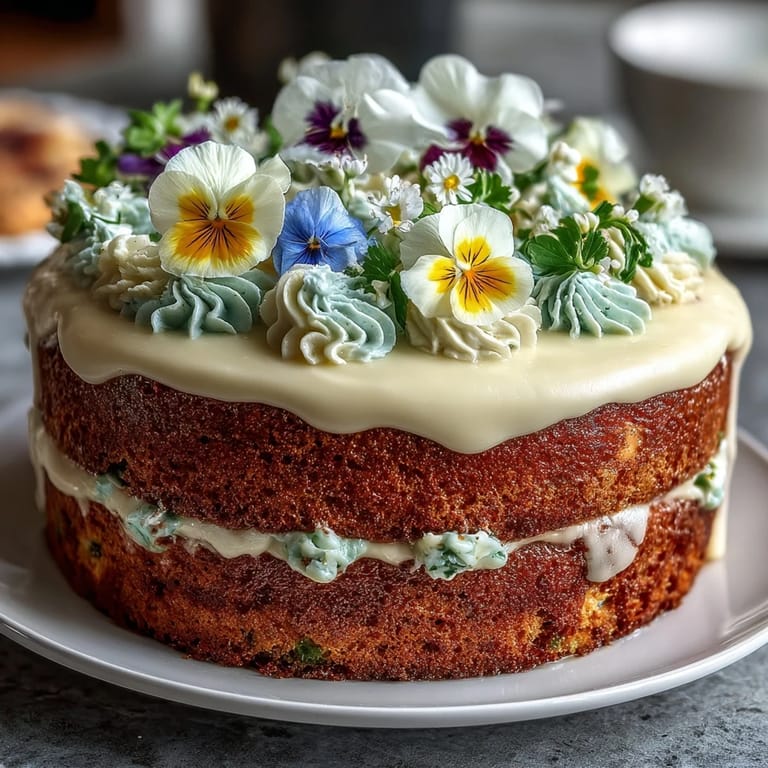
- Place one cake round on a plate, spread a thin layer of buttercream on top, then nestle the second round on it. Add another thin layer of frosting on top, then crown it with more frosting and your edible flowers arranged however feels right to you.
- Chill before serving:
- Refrigerate for at least 15 minutes so the frosting sets slightly and the whole thing holds together when you serve it. This also gives the flavors time to settle and feel more cohesive.
 Save to Pinterest
 I served these at a casual dinner party where one guest mentioned she was going through something rough, and afterward she told me that taking the time to eat something made with actual care somehow shifted her afternoon. Food doesn't fix things, but it can hold space for tenderness, and that's what these little cakes do.
Why Spring Flowers Matter
The edible flowers aren't just decoration—they change the entire feeling of the cake. Without them, it's a pretty dessert; with them, it becomes an event. I learned this the hard way when I once made the exact same cake but skipped the flowers to save time, and it felt flat somehow, like a formal dessert instead of something celebratory. Even a single viola or nasturtium makes a difference.
The Lemon Zest Secret
This is where the recipe earns its elegance. A half teaspoon of fresh lemon zest does something quiet but profound—it lifts the vanilla and makes everything taste like you know what you're doing, even if it's your first time making it. I used to skip it because it seemed unnecessary, then one day tried it on a whim and understood why delicate cakes taste like they're from a bakery.
Assembly and Serving
The magic happens in how you stack and present these tiny cakes. They're forgiving enough to decorate however feels right to you, whether that's minimal and modern or lush and garden-like. One time I made them with a different pastel color for each cake—soft pink, pale blue, lavender—and standing them up together on a platter looked like an edible bouquet.
- Chill the assembled cakes for at least 15 minutes before serving so the frosting firms up just enough to make eating them less messy.
- If you're transporting them, keep them in a cool place and avoid stacking them directly on top of each other.
- Leftover cake scraps can be crumbled and mixed with frosting to make simple cake pops if you want to use everything.
 Save to Pinterest
 These cakes remind me that small, thoughtful things often mean more than grand gestures. Serve them with tea or champagne, and watch how people slow down to enjoy them.
Recipe FAQs
- → What kind of edible flowers work best for decoration?
Safe, pesticide-free flowers like violas, pansies, and nasturtiums add vibrant colors and a delicate floral touch. Always ensure flowers are food-grade and edible.
- → Can I prepare these cakes ahead of time?
Yes, you can assemble and refrigerate the mini cakes a few hours ahead. Just chill them for at least 15 minutes before serving to enhance texture.
- → How do I achieve a pastel color for the buttercream?
Use a few drops of food coloring in soft shades while beating the buttercream. Mix gradually until you reach the desired pastel tone.
- → Is it necessary to re-roll the leftover cake scraps?
Re-rolling scraps is recommended to minimize waste and create uniform cake rounds for layering.
- → Can I substitute any ingredients for dietary restrictions?
Substitutions may affect texture and flavor, but options like plant-based milk or egg replacers could be tried cautiously while maintaining the cake’s integrity.