 Save to Pinterest
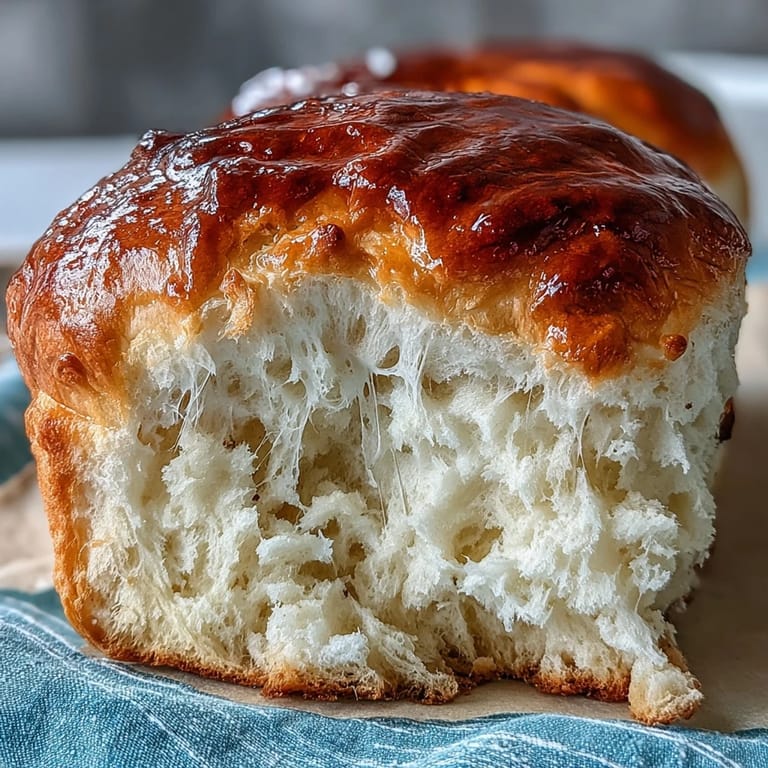
 The first time I made Japanese Milk Bread, I nearly mistook the gently sweet, yeasty aroma for that of a bakery I used to linger near during humid summer evenings in Tokyo. There’s something quietly magical about watching the Tangzhong thicken on the stove—a moment where flour and milk seem to whisper that something pillowy is about to happen. My kitchen filled with the comforting scent of warmth and patience, and suddenly I was humming without realizing it. It’s the kind of bread that makes you smile before you even cut the first slice.
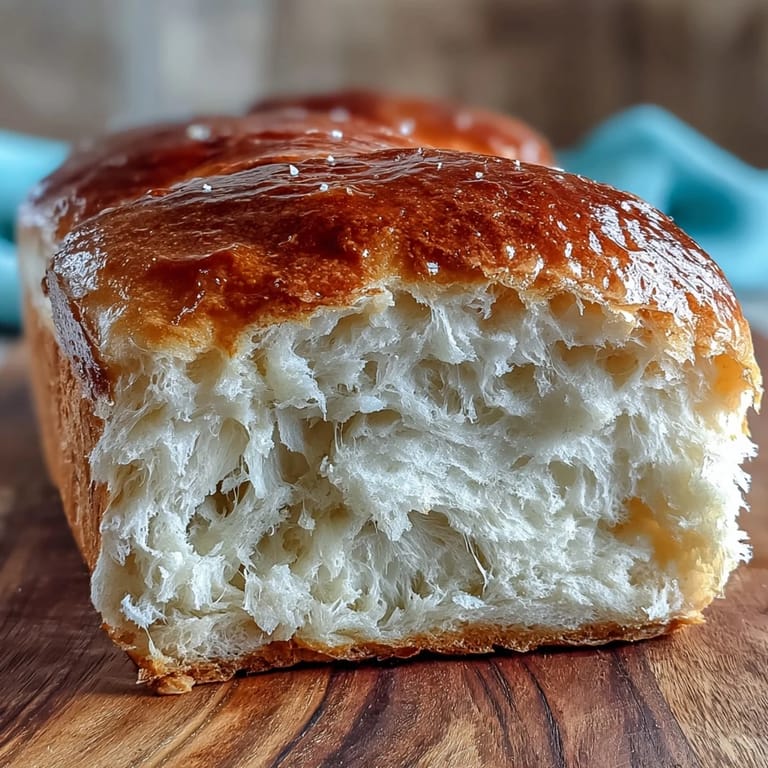
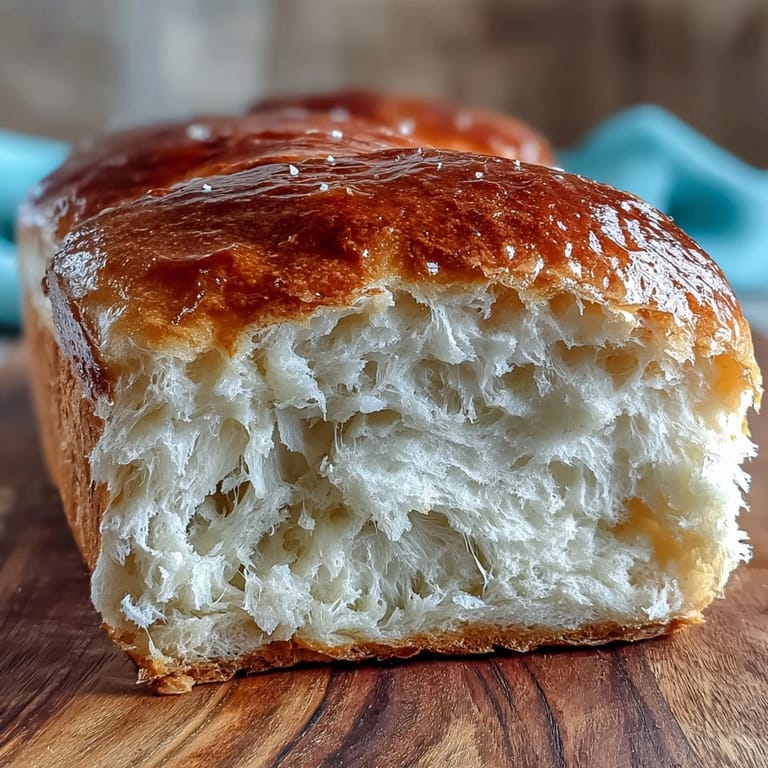
I brought this loaf to a friend’s brunch potluck last spring, and it’s safe to say the bread disappeared long before the conversation did. We ended up tearing off hunks by hand, laughing as we compared the feathery insides to marshmallows and threatening (half-seriously) to eat the last heel without toasting it first.
Ingredients
- Bread flour: Don’t swap for all-purpose—bread flour’s higher protein gives you the chewy, springy crumb that makes each slice bounce back when pressed.
- Sugar: Adds just enough sweetness to coax out the flavor, but won’t make your loaf taste like dessert.
- Instant yeast: Proofs quickly; keep it away from direct contact with the salt when mixing or you might stifle your rise.
- Milk: I always warm this slightly for the dough so the yeast isn’t shocked (think gentle bathwater, not hot tub).
- Egg: Room temperature eggs mix in more smoothly, leaving you with a uniform, silky dough.
- Butter: Softened butter is much easier to incorporate, so set it out while you prep your Tangzhong.
- Salt: Fine sea salt dissolves best, so every bite is seasoned just right.
Tired of Takeout? 🥡
Get 10 meals you can make faster than delivery arrives. Seriously.
One email. No spam. Unsubscribe anytime.
Instructions
- Start the Tangzhong magic:
- Combine bread flour, water, and milk in a petite saucepan and whisk continuously over medium heat. Watch for the moment when the mixture becomes thick and smooth, like a paste on your spoon—then let it cool until just warm.
- Build your dough base:
- Mix bread flour, sugar, salt, and yeast in your big bowl. Add the cooled Tangzhong, lukewarm milk, and egg, stirring until the dough looks scraggly and mostly combined.
- Knead to perfection:
- Work in the softened butter and knead—using a dough hook or your hands—until the dough becomes shiny, stretchy, and only a little tacky to the touch.
- First rise time:
- Let the dough rest in a lightly greased bowl, covered, in a warm spot until it plumps up and doubles—this usually takes about an hour.
- Shape the loaf:
- Gently punch down the airy dough, divide into three even pieces, and roll each piece into a rectangle. Fold in the sides and roll each section tightly into logs, then nestle them side-by-side in a greased loaf pan.
- Second rise:
- Cover the loaf and give it another 30-45 minutes to almost reach the pan’s top, watching as the rolls press softly against each other.
- Bake off perfection:
- Preheat your oven to 350°F (175°C), brush the loaf with a swish of milk, and bake for 28-32 minutes until golden brown and fragrant.
- Cool before slicing:
- Let the bread rest in the pan for 10 minutes, then flip out onto a rack—resist slicing while warm or you’ll squish all the fluff you worked for.
 Save to Pinterest
  Save to Pinterest
 One winter morning, I toasted thick slabs and watched the butter melt into glossy pools, remembering how sharing this bread with my partner had quietly turned an ordinary breakfast into something we still talk about whenever we catch a whiff of fresh-baked bread.
What to Serve with Japanese Milk Bread
After making this loaf, I love slicing it thick and pairing it with an egg custard or soft scrambled eggs—the bread soaks up sauce like a sponge without ever falling apart. If you’re in the mood for something sweet, try slathering on yuzu marmalade or even a swipe of matcha cream cheese for a playful twist.
Storing and Keeping Fresh
The loaf stays fluffy for days if stored in an airtight container or a tightly wrapped bag at room temperature; just keep it away from sunlight and kitchen heat. For longer life, freeze slices individually and toast straight from the freezer when you’re ready.
Troubleshooting and Final Touches
I once thought my dough was too sticky and nearly tossed it, but a few more minutes of kneading brought it together beautifully—patience is your best tool. Remember, golden crust doesn’t always mean done; a hollow tap on the loaf’s bottom is the chef’s trick for checking. If you’re gifting this bread, wrap it in wax paper and tuck a note inside—you’ll make someone’s day, guaranteed.
- If you want a shiner top, brush with egg wash instead of milk.
- Let your bread cool uncovered if you want a slightly crispier crust.
- A serrated knife is your friend for first slices.
 Save to Pinterest
  Save to Pinterest
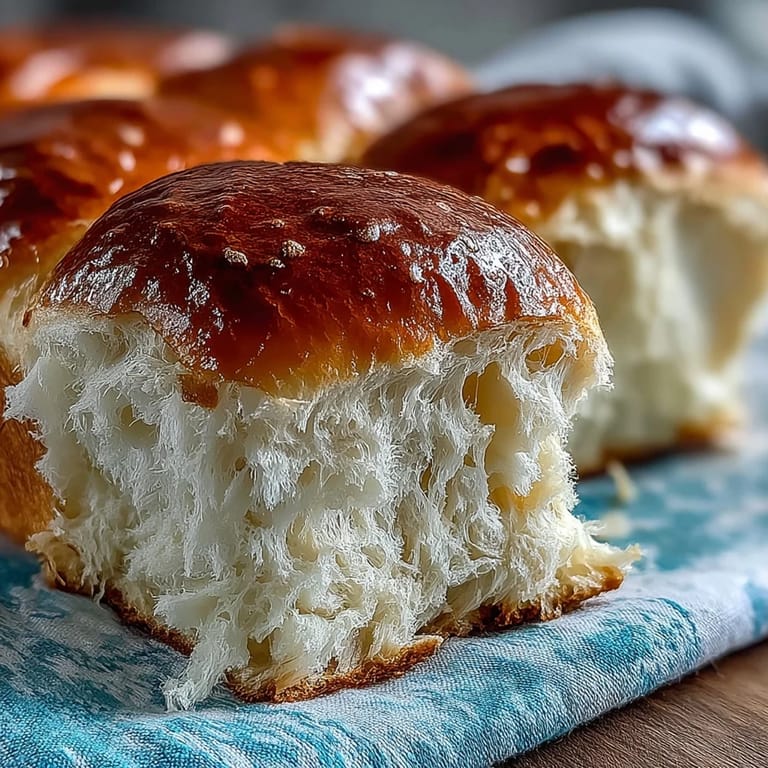
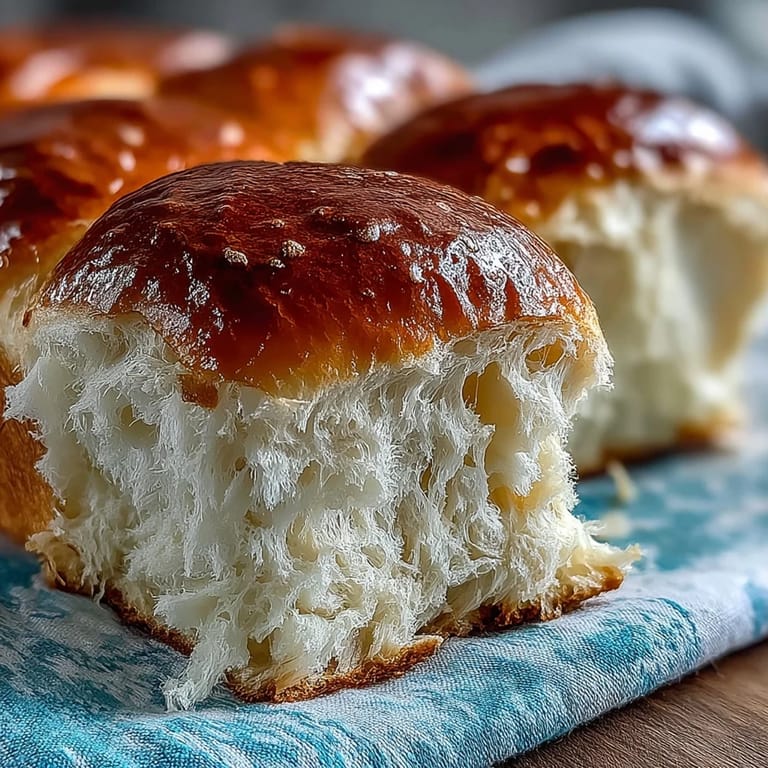
 If you find yourself eating slice after slice warm from the rack, I won’t judge—this bread is meant for everyday little victories and quiet moments alike.
Recipe FAQs
- → What is Tangzhong and why use it?
Tangzhong is a cooked flour-and-liquid slurry that gelatinizes starches. It locks in moisture, giving a softer, fluffier crumb and extending freshness compared with plain doughs.
- → Can I use a stand mixer for the dough?
Yes. Use a dough hook on low-to-medium speed, mixing until a shaggy dough forms, then add butter and knead 10–15 minutes until smooth, elastic, and slightly tacky.
- → How do I know when the dough is properly kneaded?
Look for a smooth, elastic surface and perform the windowpane test: stretch a small piece of dough thin enough to let light through without tearing. It should stretch without breaking.
- → Can I substitute heavy cream for milk?
Yes—replace up to 1/4 cup of milk with heavy cream for a richer, silkier crumb. Reduce other liquids slightly if the dough becomes too soft during mixing.
- → How should I store and refresh the loaf?
Keep the cooled loaf in an airtight container at room temperature for several days. Refresh slices by toasting or warming briefly in a low oven to restore softness and aroma.
- → What gives the top its shine and how do I get a golden crust?
A light milk brush before baking promotes a soft, lightly glossy crust. Bake until golden and the loaf sounds hollow when tapped for best color and texture.