 Save to Pinterest
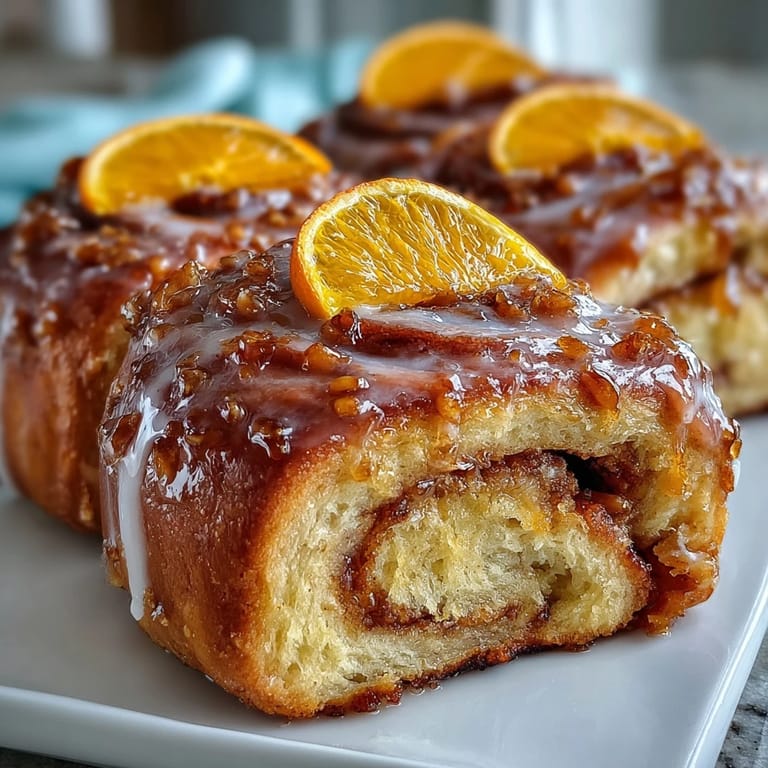
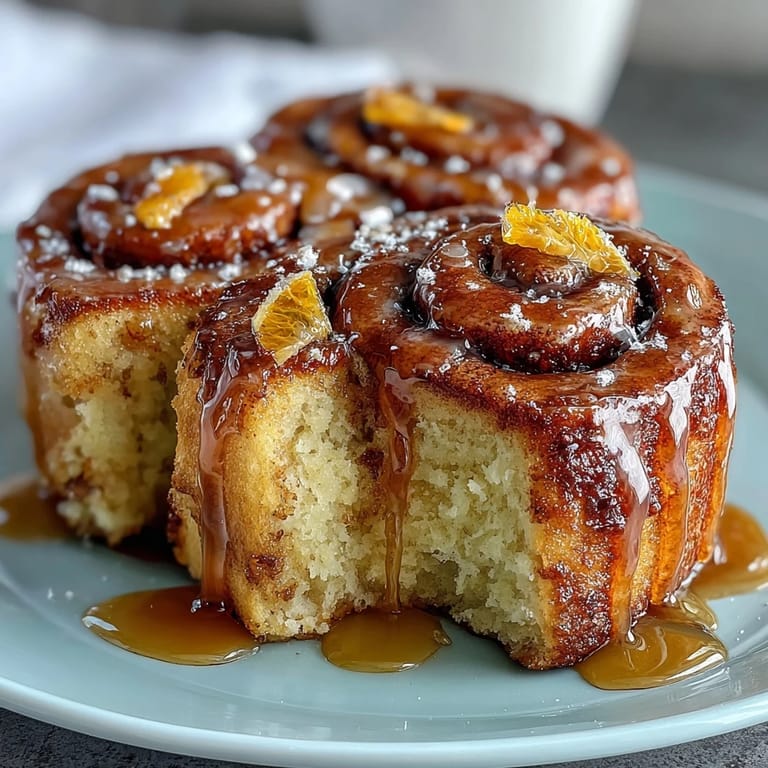
 My kitchen smelled like a Sicilian sunrise the morning I first made these—that sharp, almost electric brightness of fresh orange zest hitting warm butter. I'd grabbed a can of crescent dough on a whim, honestly just wanting something quick for a Sunday brunch, but the moment I mixed that filling, I knew these weren't going to be ordinary. Thirty minutes from fridge to table, and suddenly I had twelve golden, glossy little treasures that tasted like someone had bottled sunshine and folded it into pastry.
I made a batch for my neighbor who'd just moved in, still surrounded by boxes and takeout containers. She opened her door to that orange-butter smell wafting down the hallway, and before I could even explain what they were, she was asking if I'd baked professionally. The look on her face when she bit into one—that moment when someone realizes breakfast can be both easy and genuinely delicious—that's when I knew I'd found something worth making again and again.
Ingredients
- 1 can (8 oz / 226 g) refrigerated crescent roll dough: This is your shortcut to buttery, flaky layers without any mixing or kneading; just remember to pinch those perforations together so the filling doesn't escape during rolling.
- 2 tbsp unsalted butter, softened: Softened means it spreads like butter should, not like you're trying to frost a cake with a cold stick.
- 1/4 cup (50 g) granulated sugar: This dissolves into the butter and creates a sweet, sandy filling that caramelizes slightly at the edges.
- Zest of 1 large orange (about 1 tbsp): Fresh zest is non-negotiable here—it's where the whole soul of the recipe lives, so use a microplane and don't be timid.
- 1/2 tsp pure vanilla extract: A small but mighty addition that deepens the orange flavor instead of competing with it.
- 1/2 cup (60 g) powdered sugar: For the glaze; it dissolves smoothly into juice and gives you that silky coating.
- 1–2 tbsp fresh orange juice: Add it gradually so your glaze is thick enough to coat but not so thin it runs off; you're looking for a honey-like consistency.
- 1/2 tsp orange zest (optional, for glaze): If you're feeling generous with the citrus, this final flourish adds extra brightness and a little visual spark.
Tired of Takeout? 🥡
Get 10 meals you can make faster than delivery arrives. Seriously.
One email. No spam. Unsubscribe anytime.
Instructions
- Prepare Your workspace:
- Preheat your oven to 375°F (190°C) and line a baking sheet with parchment paper or lightly grease a mini muffin tin. Having everything ready means you won't rush the filling step.
- Seal the dough:
- Unroll your crescent dough rectangle and pinch those perforations together—this is the small move that prevents filling from leaking everywhere. You're looking for one unified sheet, not a map with dotted lines.
- Make the filling:
- In a small bowl, combine your softened butter, sugar, orange zest, and vanilla. Stir until it looks like wet sand and smells like breakfast dreams; you want no lumps and everything distributed evenly.
- Spread and roll:
- Spread that filling evenly across your dough, right to the edges but not so thick it squishes out. Starting from the longer side, roll it up tightly like you're creating a spiral log, then slice into 12 pieces with a sharp knife using a gentle sawing motion.
- Arrange and bake:
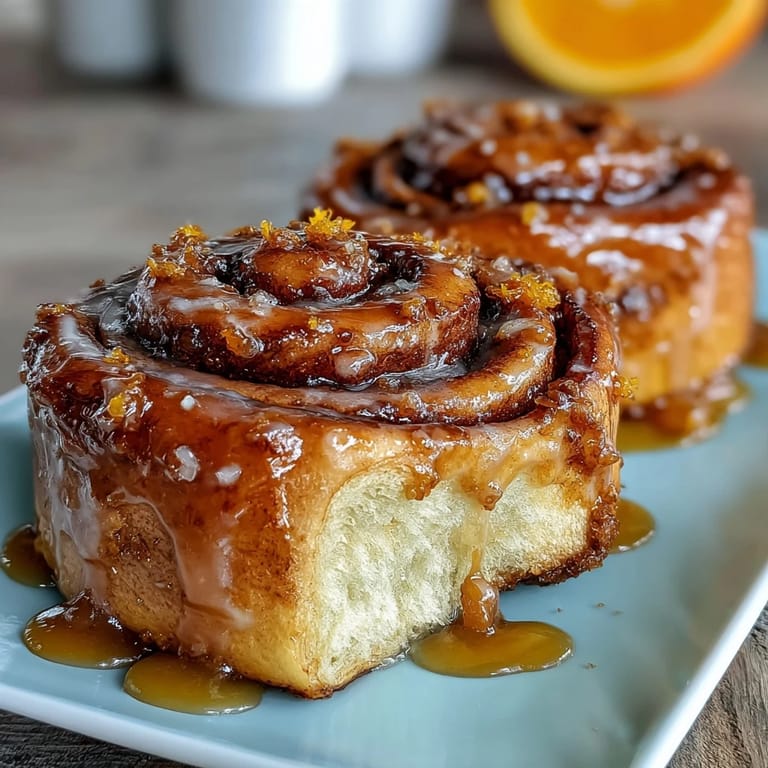
- Place your rolls cut-side up on the prepared pan or in the muffin tin—seeing those swirls is half the beauty. Bake for 13–15 minutes until they're golden brown and the kitchen smells like citrus heaven.
- Make the glaze:
- While the rolls bake, whisk your powdered sugar and orange juice together, adding juice slowly to get the consistency right. Stir in the extra zest if you're using it; this glaze should be smooth and pourable, not thick like frosting.
- Finish and serve:
- Let your rolls cool for about 5 minutes—they're easier to glaze when they're not steaming—then drizzle generously. Serve them warm, watch people's faces light up, and accept the compliments gracefully.
 Save to Pinterest
 I once made these on a gray February morning when everything outside looked tired, and something about biting into that first warm roll with its bright citrus burst felt like a small rebellion against the season. My partner called them my secret weapon for turning ordinary days into ones worth remembering.
The Magic of Orange in Pastry
Orange has this incredible ability to make baked goods taste more elegant than they have any right to, especially when you're using a shortcut like crescent dough. The acidity in the zest cuts through the richness of the butter, and when it bakes, those volatile oils release this almost perfume-like aroma. I've noticed that when you pair orange with vanilla—just a whisper of it—the vanilla becomes a support player that makes the orange taste even more itself, rather than competing for attention.
Why These Work as a Whole Breakfast
These rolls occupy a wonderful middle ground between sweet enough to feel like dessert but structured enough to actually be breakfast. The butter and slight tartness of the orange juice glaze balance the sweetness, so they don't leave you feeling heavy or regretting the choice. I've served them alongside scrambled eggs, with coffee, or as a standalone treat when I've already had breakfast but want something for my hands and my happiness.
Variations and Customizations
Once you understand this basic framework, it becomes endlessly adaptable. I've tried cardamom mixed into the filling for a slightly spiced version, swapped half the sugar for brown sugar for something deeper, and even experimented with a lime filling because I had limes and optimism. The technique stays exactly the same; you're just swapping flavors and discovering what speaks to your kitchen.
- A scattered handful of chopped toasted pecans in the filling adds subtle nuttiness and textural contrast without overpowering the citrus.
- If you have orange extract (the kind meant for baking), a few drops in the glaze will give you that pronounced orange flavor some days call for.
- These keep in an airtight container for up to 2 days, though honestly, they rarely last that long in my house.
 Save to Pinterest
 These rolls proved to me that breakfast doesn't need hours of planning or fancy techniques to feel like a gift to yourself. They're the kind of recipe that quietly becomes a staple, something you make without thinking because it works and people genuinely love it.
Recipe FAQs
- → What type of dough is best for these rolls?
Refrigerated crescent roll dough provides a soft and flaky texture, making preparation quick and easy.
- → How do you achieve the orange flavor in the filling?
The filling combines granulated sugar, softened butter, fresh orange zest, and vanilla extract to create a bright, citrus-infused sweetness.
- → Can the glaze be adjusted for thickness?
Yes, gradually adding fresh orange juice to the powdered sugar allows you to control the glaze consistency—from drizzle to thicker coating.
- → How should the rolls be baked for best results?
Bake the rolls cut-side up at 375°F (190°C) for 13-15 minutes until golden brown to ensure even cooking and a tender crumb.
- → Are there any suggestions for variations or additions?
Sprinkling chopped pecans or walnuts into the filling adds a nutty twist, and a few drops of orange extract in the glaze can boost citrus flavor.