 Save to Pinterest
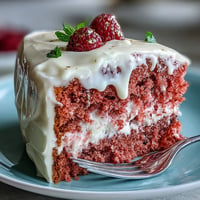
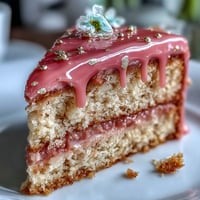
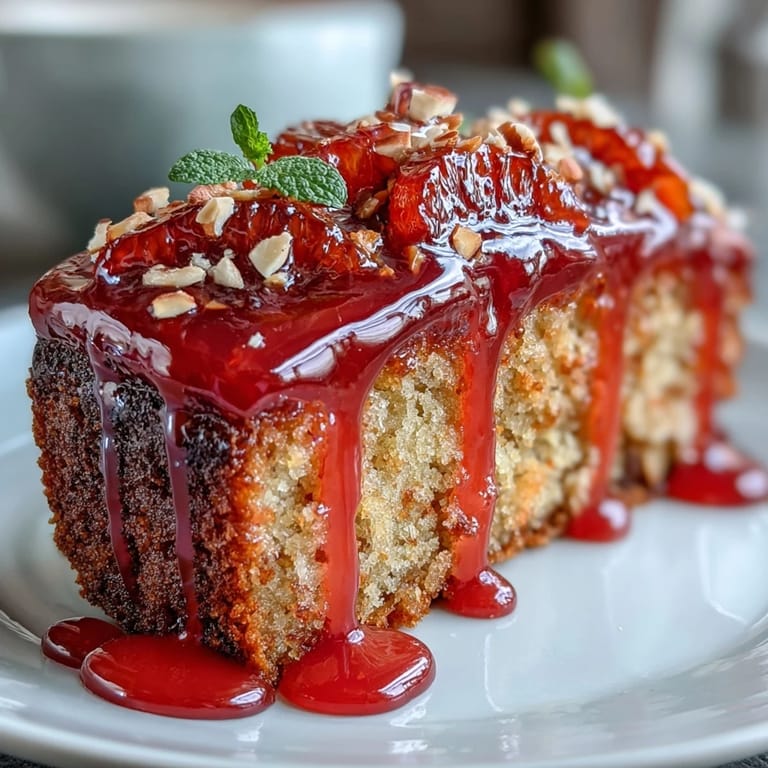
 Once, on a late winter afternoon when the light had that rare blush, I absentmindedly sliced into a blood orange I'd found at the market out of pure curiosity. The scent—zingy and slightly floral—drifted through my kitchen, and I couldn't resist experimenting with the flavor in my baking rotation. I pulled polenta and almonds from my pantry, thinking of the soft, crumbly Italian cakes I'd tried while traveling. Mixing the batter with bright orange zest, I had no idea just how gorgeous the result would be until I unmolded the cake and watched a pink glaze drip down the sides. A recipe was born half out of happenstance and wholly out of a wish for something vibrant on a dreary day.
One spring evening, I baked this polenta cake for an impromptu dinner with friends—my kitchen humming with chatter while the scent of citrus and butter filled the air. We ate slices still slightly warm, passing plates over the counter as someone tried (with only semi-success) to zest another orange without grating their knuckles. The glaze dripped over everything, and we laughed about having pink-tinted fingers by midnight; no one seemed to mind. That was the first time I realized this was a dessert meant for sharing, not just showing off. Now, I think of that chaos and warmth whenever I make it.
Ingredients
- Unsalted butter (200 g, plus extra for greasing): The base for rich flavor and a tender crumb; make sure it's truly softened for smooth mixing.
- Caster sugar (200 g): This dissolves quickly and helps whip up a light, fluffy batter—don't swap in anything coarser or the texture will change.
- Large eggs (3): Each adds moisture and stability, and I always crack them into a separate bowl in case of shell mishaps.
- Zest of 2 blood oranges: The star ingredient—use a fine zester to avoid bitter white pith.
- Fine polenta (100 g): Gives that signature nubby texture; double-check it's labeled 'fine' for the right crumb.
- Ground almonds (130 g): This adds subtle sweetness and keeps the cake wonderfully moist.
- Gluten-free baking powder (1 ½ tsp): Essential for a gentle rise; I always verify it's gluten-free for anyone with dietary needs.
- Pinch of salt: Just a little ensures the flavors pop—don't skip it.
- Blood orange juice (60 ml; about 1–2 oranges): Fresh is best; I strain out any seeds before adding.
- Vanilla extract (1 tsp): It softens the citrus tang and brings everything together.
- Powdered sugar (120 g; for glaze): Sift first for lump-free, pourable perfection.
- Blood orange juice (2–3 tbsp; for glaze): Strain this too—the color is pure magic for the topping.
- Slices of blood orange & edible flowers (optional): For decoration; I use these for extra drama on special occasions.
Tired of Takeout? 🥡
Get 10 meals you can make faster than delivery arrives. Seriously.
One email. No spam. Unsubscribe anytime.
Instructions
- Prep your tin:
- Preheat your oven to 170°C (340°F) and grease a 20 cm tin with butter before lining with parchment—this makes unmolding the cake a breeze.
- Cream the basics:
- Beat the butter and caster sugar until fluffy and almost white; if you press a bit between your fingers, you shouldn't feel any gritty sugar.
- Add eggs:
- Crack in the eggs, one by one, mixing in each so the batter doesn't split; it may look a little curdled, but keep going.
- Zest and vanilla:
- Stir in the blood orange zest and vanilla extract—the batter will smell like sunshine.
- Mix the dry team:
- In a separate bowl, whisk together the polenta, ground almonds, baking powder, and salt to distribute the leavening evenly.
- Combine wet and dry:
- Add the dry mix to the wet ingredients and fold gently, just until no streaks remain—you want to keep as much air in as possible.
- Add juice:
- Pour in the blood orange juice and stir until just incorporated; watch the batter become fragrant and pale yellow.
- Bake it:
- Spread batter into your tin, smooth the top, then bake for 40–45 minutes—a skewer should come out clean and the top golden with a tiny spring when pressed.
- Cool off:
- Let the cake sit in the tin for 10 minutes before flipping onto a wire rack for thorough cooling—otherwise, the glaze will run straight off.
- Mix the glaze:
- Sift the powdered sugar into a bowl and slowly stir in blood orange juice, little by little, until thick yet pourable with a perfect rosy hue.
- Final flourish:
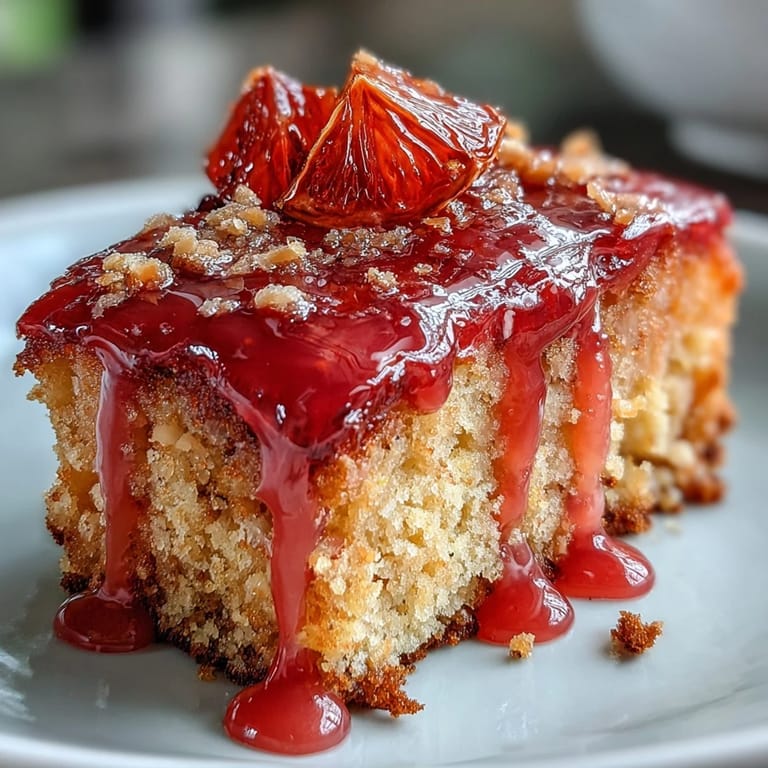
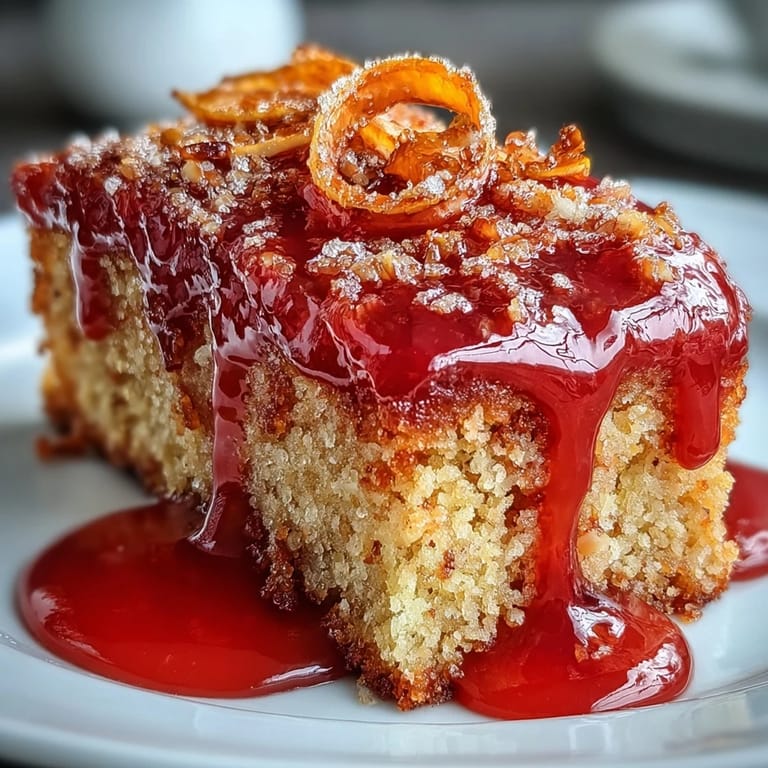
- Once the cake is completely cool, drizzle glaze from the center out so it drips organically over the edges; decorate with fruit slices or flowers if you want to go all out.
 Save to Pinterest
 On the morning after that first chaotic bake, I found a single leftover wedge waiting for me, the colors bright even in a half-lit kitchen. With coffee in hand, I took a bite and realized some cakes really do taste like good company, long after the gathering ends.
Making Swaps and Shortcuts
I've discovered that using regular oranges works beautifully if you can't find those stunning blood oranges, though you'll miss out on the dramatic glaze color. Almond meal and fine polenta are pantry heroes—don't stress if you have to use ordinary cornmeal or another nut flour in a pinch. And if you're pressed for time, mixing by hand with a sturdy whisk still gets you a lovely, tender result.
Serving Suggestions and Pairings
This cake really shines next to a dollop of crème fraîche or tangy Greek yogurt, which gently cuts through the sweetness. I've also paired it with a drizzle of honey or even some poached winter fruit, especially when feeding a crowd. For celebrations, scattered edible petals never fail to draw a little gasp of delight from guests.
Final Touches and Troubleshooting
Baking always keeps me humble—occasionally a cake will sink a touch if pulled out of the oven too soon, but a generous glaze and some clever decoration save the day. Don't hesitate to taste and adjust the glaze's tartness before pouring, since oranges can be unpredictable in sweetness. And if the cake cracks, just call it rustic—it always gets devoured anyway.
- Remember to zest before juicing your oranges—it’s nearly impossible in reverse.
- A light brush of extra juice over the cake while warm ramps up the citrus vibe.
- Store leftovers airtight—the flavor deepens overnight.
 Save to Pinterest
 I hope this polenta cake brings as much brightness to your table as it has to mine—let the crumbs and giggles fall where they may. Happy baking, friend.
Recipe FAQs
- → Can I use regular oranges instead of blood oranges?
Yes. Regular oranges work well for flavor and juice, though the glaze will be less pink and slightly sweeter. Adjust zest and juice to taste.
- → How do I keep the cake moist?
Brush the warm cake with extra blood orange juice before glazing and avoid overbaking. Using creamed butter and sugar plus ground almonds helps retain moisture.
- → Can I replace ground almonds?
Swap ground almonds with an equal weight of finely ground hazelnuts or a nut-free blend of extra polenta plus a bit of tapioca starch for texture, but flavor will change.
- → What’s the role of fine polenta here?
Fine polenta adds a delicate, slightly grainy crumb and subtle corn sweetness that contrasts nicely with the citrus and almond flavors.
- → How do I get a smooth, pink glaze?
Sift powdered sugar, then whisk in blood orange juice a tablespoon at a time until thick but pourable. Use strained juice for a clear pink hue and avoid adding too much liquid.
- → Can this be made ahead and stored?
Yes. Store cooled, unglazed cake wrapped tightly for up to 24 hours, then glaze before serving. Glazed cake keeps 2 days at cool room temperature or refrigerated, covered.