 Save to Pinterest
 I still remember the afternoon my best friend announced her engagement at a small garden gathering. Someone popped open a bottle of champagne, but she looked momentarily disappointed when she realized she'd given up alcohol for health reasons. That's when I realized we needed to celebrate differently, more inclusively. I started experimenting that week, layering sparkling juices and fresh fruits into elegant glasses that felt just as special as any cocktail. Now whenever I set up this vibrant spread, I'm reminded that the best celebrations aren't about what's in the glass—they're about who's gathered around the table, toasting to life's beautiful moments together.
The first time I made this spread was for my cousin's baby shower, and I watched her face light up when she saw the three different sparkling options gleaming in crystal pitchers, each one garnished with fresh raspberries and lemon slices. Her pregnant guests felt so celebrated in that moment, sipping something that felt luxurious and ceremonial. That's when I understood the real magic—it wasn't about what was missing, it was about how thoughtfully everything was presented.
Ingredients
- Non-alcoholic sparkling white grape juice (750 ml bottle, chilled): This becomes the elegant base for toasts, with natural sweetness that makes guests feel like they're drinking something truly special. The pale gold color is beautiful in glasses, and keeping it ice-cold matters more than you'd think for that crisp, celebratory sensation.
- Non-alcoholic sparkling rosé (750 ml bottle, chilled): This one gives you visual variety and a slight berry undertone that feels festive. Having three different bottles means everyone finds their favorite, which makes the gathering feel more personal.
- Alcohol-free sparkling apple cider (750 ml bottle, chilled): The warmth of apple works beautifully against the bright juices, and it's often the one people reach for second because it reminds them of harvest gatherings and comfort.
- Fresh raspberries (1 cup): Floating these in the pitchers transforms the drinks into something Instagram-worthy and makes people feel like they're at an upscale event. They also catch the light beautifully.
- Fresh mint leaves (1 cup): These add a sensory moment when guests take a sip—suddenly it's not just taste, it's that cool, awakening menthol sensation. Pick leaves just before serving for maximum fragrance.
- Lemon, thinly sliced (1 whole): Lemon does the heavy lifting of making everything feel bright and intentional. Slice them thin enough to see through, and float them on top of the pitchers.
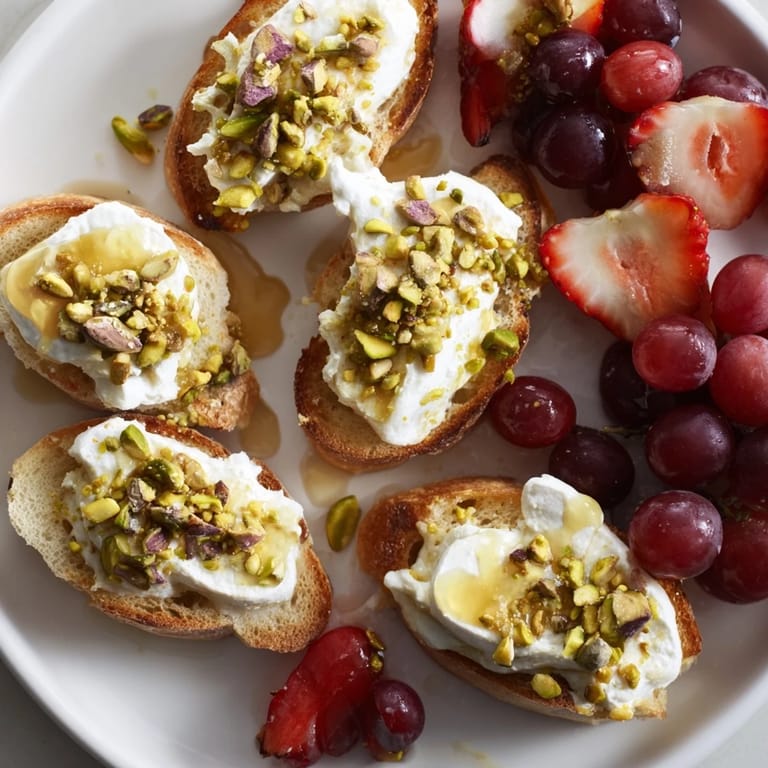
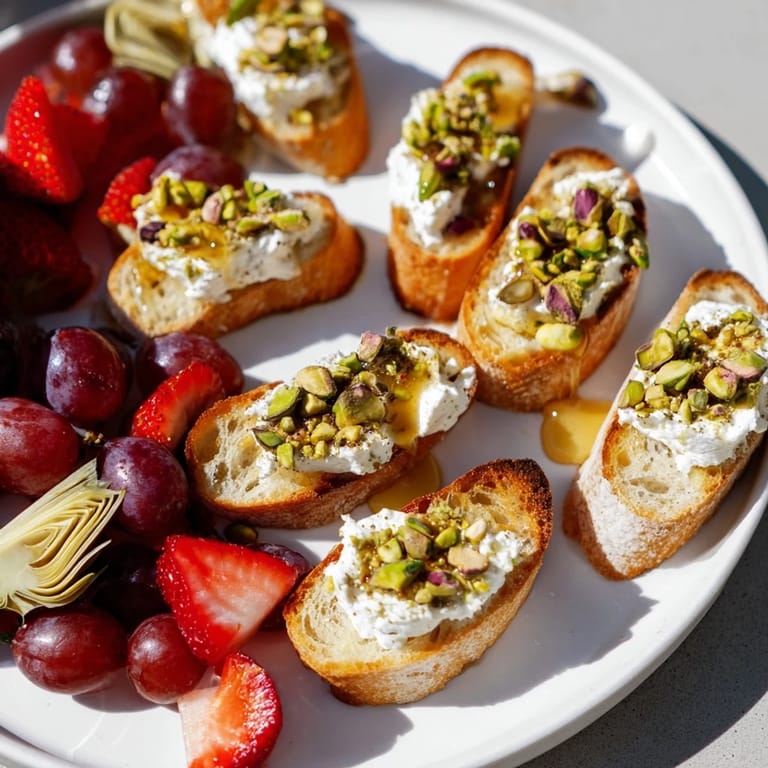
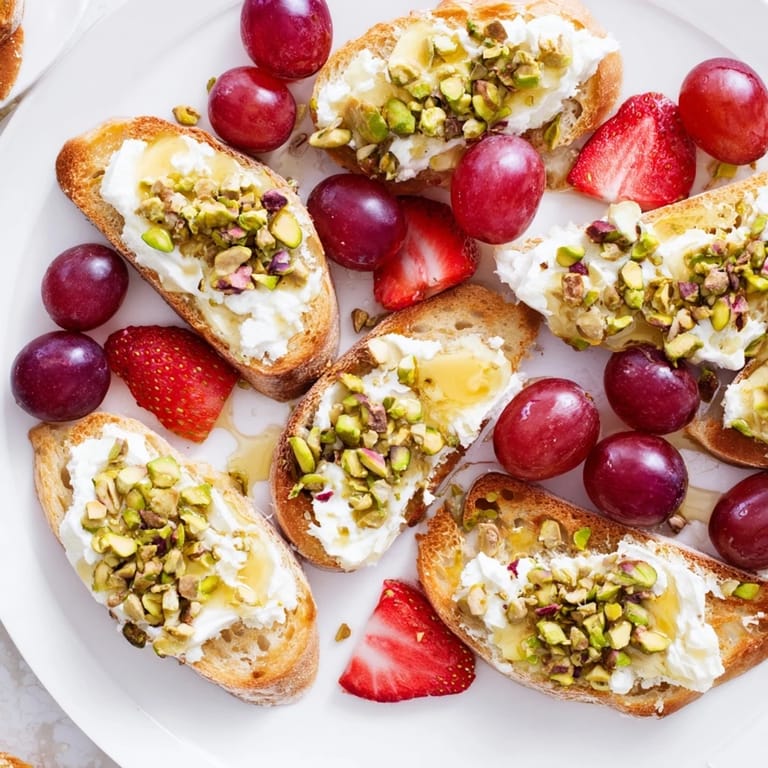
- French baguette, thinly sliced and toasted (1 whole): Toasting these yourself makes all the difference—they become crispy vehicles for the cheeses instead of soggy vehicles for regret. I learned this after one soggy platter disaster.
- Fresh goat cheese (8 oz): This is the creamy dreamy base that makes people say "wow, did you make this yourself?" It's tangy and elegant, and it takes two seconds to spread.
- Ricotta cheese (8 oz): Lighter than goat cheese but just as luxurious, this one becomes a blank canvas for honey and nuts. Using whole milk ricotta makes a real difference in texture.
- Honey (1/2 cup): Drizzled warm over goat cheese, this transforms something simple into something that tastes like an Italian countryside memory. The way it pools and glistens matters.
- Chopped pistachios (1/4 cup): The pop of green and the buttery crunch are what make people reach for another bite. Roast them lightly if they're not already roasted—it deepens their flavor.
- Seedless red grapes, halved (1/2 cup): These are the jewels of the platter, catching light and adding color variation. Halving them makes them feel more intentional and easier to eat standing up.
- Cucumber, thinly sliced (1/2 cup): The most refreshing, cooling thing on the board. Slice them just before serving so they stay crisp and don't weep water into the platter.
- Cherry tomatoes, halved (1 cup): These burst with brightness and flavor, and halving them shows off the beautiful interior. Choose the ripest ones you can find.
- Marinated artichoke hearts, quartered (1 cup): They come ready to eat and add sophistication without extra effort. The oil they're packed in becomes part of the flavor story.
- Mixed olives (1/2 cup): Briny and bold, these remind guests they're at a celebration. Choose a mix of colors for visual interest.
- Roasted almonds (1/2 cup): These add another textural element and pair beautifully with the cheeses. A handful of salt and crunch in every bite.
- Dried apricots (1/2 cup): Sweet and chewy, they bridge the gap between savory and sweet and add warm color to the platter.
- Fresh strawberries, halved (1/2 cup): If the timing is right, these are the most beautiful thing on the board. Choose firm, fragrant ones and slice them just before guests arrive.
- Microgreens or edible flowers (optional): These are the finishing touch that makes it look like a professional spread. They're not necessary, but they transform good into stunning.
- Flaky sea salt and black pepper: These should be applied just before serving over the cheeses and vegetables—they don't need much, just enough to remind people that salt and pepper are flavor multipliers.
Tired of Takeout? 🥡
Get 10 meals you can make faster than delivery arrives. Seriously.
One email. No spam. Unsubscribe anytime.
Instructions
- Prepare the drinks the night before:
- Chill all three bottles in the refrigerator overnight. This matters more than it sounds—warm sparkling drinks just don't have the same celebratory snap. In the morning, fill crystal pitchers or carafes with each beverage, then add a generous handful of raspberries, a few mint leaves, and lemon slices to each pitcher. The fruits and mint transform plain juice into something that looks like it came from a fancy restaurant. Keep everything in the coldest part of your refrigerator until the moment guests arrive.
- Toast the baguette slices with intention:
- Slice your baguette on a slight angle to create elegant ovals, then brush them lightly with olive oil if you want richness, or leave them naked for crispness. Arrange them on a baking sheet and toast at 400°F for about 5-7 minutes, watching carefully until they're golden and crispy but not dark brown. You want to hear them crunch when you bite. Let them cool completely on the sheet so they stay crispy. This is the moment that separates a good platter from a memorable one.
- Create the cheese situation:
- Divide your goat cheese into two small serving bowls, or arrange dollops directly on the wooden board if you're feeling confident. Warm the honey slightly—just enough that it drizzles beautifully—and pour it over the goat cheese in elegant swoops. Sprinkle the pistachios over the honey while it's still warm so they stick slightly. Put the ricotta in a separate small bowl. Both cheeses should be at room temperature for better spreading and flavor, so take them out of the fridge about 30 minutes before guests arrive.
- Arrange the platter with intention:
- Start with the largest items and work toward the smallest. Place your toasted baguette slices in overlapping rows along one section. Position the cheese bowls as anchors on the board, then arrange the marinated artichoke hearts, olives, and almonds in their own little groupings around the board—not mixed together, but in distinct piles. This makes it easier for guests to navigate and looks intentional. Scatter the fresh fruits—grapes, strawberries, apricots, and cucumber slices—between the savory items. Fill any gaps with more items, but leave some negative space so it doesn't feel crowded.
- Garnish with the flowers and salt just before serving:
- If you're using microgreens or edible flowers, add them just before guests arrive so they stay fresh and perky. They'll wilt slightly over time, and fresh is part of the magic. Sprinkle flaky sea salt and black pepper sparingly over the cheeses and fresh vegetables. You're not seasoning aggressively—you're adding final touches that say "someone cared about this."
- Bring everything to the table together:
- Position the chilled pitchers of sparkling drinks on the table or a separate drinks station just as guests are arriving. Have glasses chilled and ready, along with napkins and small plates. The moment when someone picks up a glass and has their first sip while gazing at the platter is the moment when you know you did this right.
 Save to Pinterest
 I'll never forget watching my aunt, who usually feels uncomfortable at big celebrations, spend an entire hour at one of these spreads. She moved from the olives to the cheese to the sparkling apple cider, making conversation with people she'd never met, laughing with a glass in her hand that felt as celebratory as anyone else's. That's when I understood that this isn't really about fancy food—it's about creating a moment where everyone belongs.
The Art of Building a Stunning Platter
A good platter tells a visual story. Think of it like painting with food—you're creating contrast, rhythm, and flow. The trick is to alternate colors and textures: creamy next to crisp, green next to red, soft next to crunchy. Position heavier, darker items like olives and almonds as anchors that ground the composition, then let lighter items like microgreens float on top. A platter made with intention feels like a gift, and people can sense the difference between something thrown together and something thoughtfully arranged. The goal is to make people feel like they've been invited somewhere special, even if it's your kitchen.
Making It Your Own
This spread is a canvas, not a prescription. If you have fresh figs in season, add them. If someone in your crowd loves caramelized onions, make a small batch. If you can find herbed cream cheese or whipped feta instead of ricotta, use it. The structure stays the same—sparkling drinks, creamy elements, fresh fruits, savory items, and crisp bases—but the specific ingredients should reflect what's available to you and what makes you excited to cook. I once added candied nuts, another time I discovered a roasted red pepper spread that became the star of the show. The best version of this recipe is always the one that makes you smile when you're setting it up.
Drinks, Timing, and the Perfect Toast
The sparkling drinks deserve their own moment of attention. Chill everything the night before—this cannot be overstated. Warm sparkling juice just doesn't have the celebratory sparkle that makes people feel like they're toasting to something big. When guests arrive, pour the drinks right in front of them if you can, so they see the beautiful color and the fruit floating in the glass. The moment of the pour, the clink of glasses, and the first sip sets the tone for the entire gathering. And here's something I learned: if you're doing the pouring, your hands become part of the hospitality. It's not a subtle thing.
- Keep a pitcher of plain sparkling water on hand for anyone who might want a refresher or a different flavor combination
- Use clear, elegant glasses so the beautiful color of the drinks shines through—a pretty glass matters more than you'd think
- Pour the drinks just before or just after people sit down, not hours early, so the sparkle doesn't lose its punch
 Save to Pinterest
 This spread is for every moment worth celebrating, whether it's an engagement, a new job, a comeback from a tough year, or just because someone you love needs to feel seen. Pour the drinks, let people gather around, and watch what happens when you give them permission to enjoy something beautiful together.
Recipe FAQs
- → Can I prepare the sparkling drinks ahead of time?
Yes, you can prepare the sparkling drinks by infusing them with raspberries, mint, and lemon slices several hours before serving. Keep chilled until ready to serve.
- → What are some good cheese alternatives for a vegan version?
Plant-based cheeses like cashew-based or almond-based options work well as substitutes. Maple syrup can replace honey for drizzling.
- → How should I arrange the light bites on the serving platter?
Arrange toasted baguette slices, cheeses, and drizzled honey on boards or platters with fresh fruits and savory vegetables grouped nearby for visual appeal and easy access.
- → Can fresh fruits be swapped according to season?
Absolutely. Seasonal fruits like peaches, blueberries, or figs can replace those listed to keep the spread fresh and varied.
- → What garnishes enhance the presentation?
Microgreens, edible flowers, flaky sea salt, and black pepper add freshness, color, and a subtle finish to the spread’s look and flavor.
- → Are there any common allergens to watch for?
This spread contains dairy, nuts, and wheat. Always check labels and advise guests accordingly to avoid allergic reactions.