 Save to Pinterest
 There's something about the ritual of setting out a Turkish meze platter that makes you slow down. I discovered this years ago when a friend brought me to a tiny Istanbul restaurant where the table arrived covered with small bowls and plates before any main course even existed. The platter wasn't rushed—it was a conversation starter, something you picked at while talking, while olives disappeared one by one and bread grew warm between bites. Now I make one almost instinctively, and every time, it feels like I'm recreating that same unhurried moment.
I remember making this for the first time for my partner's coworkers, nervous that I was trying something too unfamiliar. Instead, the platter sat in the middle of the table and became the real star of the evening—people kept coming back to it between courses, building little combinations on their plates. That's when I realized a meze platter isn't about impressing anyone; it's about creating a space where everyone can eat at their own pace and mood.
Ingredients
- Chickpeas (1 can, drained): The foundation of creamy hummus—drain them well so your dip stays smooth, not watery.
- Tahini (2 tbsp): This sesame paste is what gives hummus its signature nuttiness and silky texture; it's worth buying good quality.
- Extra-virgin olive oil: Use it generously—it's not just an ingredient, it's the flavor that ties everything together.
- Garlic (1 clove, minced): Fresh garlic punches through, so a little goes a long way in hummus.
- Fresh lemon juice (2 tbsp): The acidity wakes everything up; bottled juice tastes flat by comparison.
- Ground cumin (1/2 tsp): This warm spice is what makes you say 'something's different' without knowing what.
- Feta cheese (100 g, cubed): Tangy and salty, it's the sharp counterpoint to the creamy elements on the platter.
- Beyaz peynir or extra feta (100 g): This creamy white cheese melts slightly on your tongue and feels indulgent.
- Kasseri or halloumi (100 g, sliced): A firmer cheese that holds its shape and has that satisfying squeaky texture.
- Mixed Turkish olives (100 g): The briny punch—green olives are sharper, black ones are mellow, so mixing them is always the right call.
- Dried oregano (1/2 tsp): A small amount scattered over olives transforms them into something that tastes intentional.
- Cucumber, tomato, lemon, parsley: These fresh elements add color and keep the platter from feeling heavy.
- Warm pita or flatbread: Essential for scooping; warm bread makes everything taste better.
Tired of Takeout? 🥡
Get 10 meals you can make faster than delivery arrives. Seriously.
One email. No spam. Unsubscribe anytime.
Instructions
- Blend the hummus until it whispers:
- Pulse chickpeas, tahini, olive oil, garlic, lemon juice, cumin, salt, and pepper in a food processor until completely smooth—you're looking for the texture of cloud, not chunks. Taste it and adjust: more lemon if it feels flat, more garlic if you want boldness, more salt to make the flavors sing.
- Give it the finishing touch:
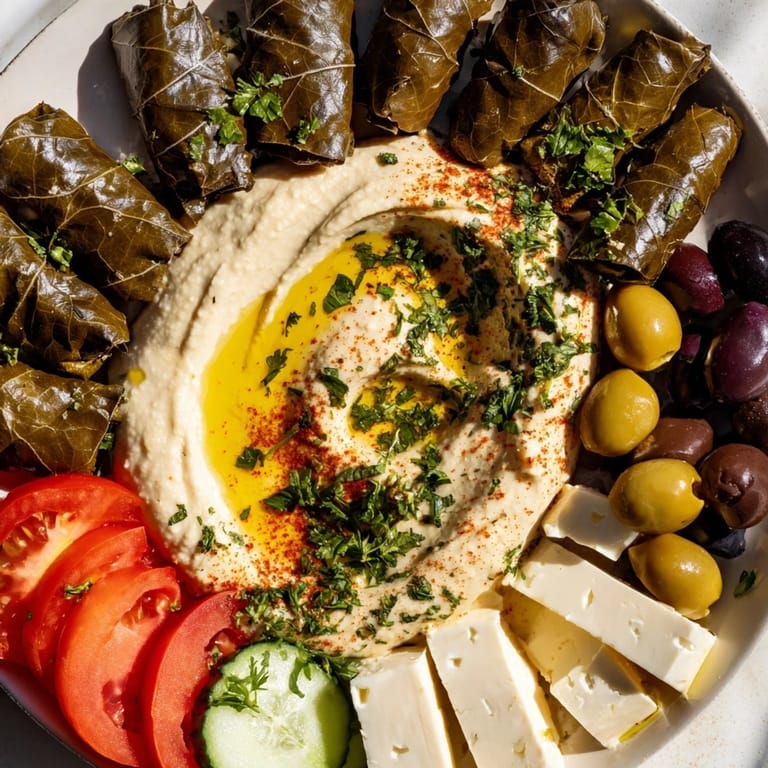
- Transfer hummus to a serving bowl and drizzle a thin stream of olive oil on top, then dust with paprika or sumac so it looks beautiful. This little gesture is what separates homemade from restaurant-quality.
- Place the dolmas with respect:
- Arrange the stuffed grape leaves in neat rows or a casual pile—they're already cooked, so you're just positioning them where they look inviting.
- Cube and cluster the cheeses:
- Cut each cheese into bite-sized pieces and arrange them in separate little groups on the platter, not all mixed together. This way people can taste them individually and discover which ones they love.
- Season the olives like you mean it:
- Toss olives with olive oil and oregano in a small bowl so every olive gets coated, then either keep them in the bowl or scatter them across the platter depending on your mood and space.
- Add the fresh elements:
- Slice cucumber and tomato, cut lemon into wedges, and sprinkle parsley over everything—these bright additions wake up the whole platter and fill in any gaps.
- Bring it all together warm:
- Heat your pita or flatbread so it's warm when people pick it up, then cut it into triangles and serve alongside.
 Save to Pinterest
 There was a Tuesday evening when my neighbor came over unexpectedly, and I threw together a quick meze platter from what I had on hand. We sat on the balcony as the light turned golden, and somehow that simple arrangement of cheese, olives, and hummus made the whole moment feel intentional and special. That's when I realized this dish has a quiet power—it makes ordinary moments feel like something worth celebrating.
How to Build Your Perfect Bite
There's an art to eating from a meze platter that people discover for themselves. Some load their pita with hummus and olives, others layer cheese and cucumber, and some just pop a dolma in their mouth and follow it with an olive. The beauty is that there's no wrong way—you're building based on what you're craving in that moment, how hungry you are, and what flavor you want next. Watch people eat, and you'll see their personal preferences come alive.
Variations That Keep It Interesting
A meze platter is endlessly flexible because it's a canvas, not a rigid formula. I've added roasted red peppers charred in a pan until they're soft and sweet, grilled eggplant sliced thin and drizzled with pomegranate molasses, and spiced walnuts toasted with cinnamon and a touch of honey. One time I added a small bowl of muhammara, that red pepper and walnut spread that tastes like autumn. Another time I brought home fresh white cheese that was still warm from the market and crumbled it over everything. The core stays the same, but small additions keep the platter from ever feeling repetitive.
- Roasted red peppers add sweetness and a silky texture that balances the salty elements.
- Grilled eggplant or zucchini brings earthiness and can make the platter feel more substantial.
- Spiced walnuts or pistachios add crunch and a touch of sophistication that guests always notice.
Pairing and Serving Wisdom
Serving a meze platter isn't about plating it perfectly on individual dishes—it's about gathering people around a shared table. A crisp Turkish white wine like Narince is the obvious choice, but I've also had raki diluted with water until it turns milky, ice-cold beer, or just plain sparkling water with lemon when the weather is warm. The platter works equally well as an appetizer before a meal or as the whole event itself. Cold meze platters are perfect for warm afternoons, but I've also served warm hummus with dolmas fresh off the stove and found that everyone lingered longer.
The Confidence to Skip the Recipe
Once you make a meze platter a few times, you won't need exact measurements anymore. You'll know by feel how much hummus to make, you'll add cheese based on how many people are coming, and you'll trust your instincts on what to include. The wonderful part is that it's nearly impossible to get wrong—the combination of creamy, salty, briny, and fresh always works. What matters most is that you're creating a moment where people can eat unhurried and feel taken care of.
- Make the hummus earlier in the day so it has time to chill and flavors can meld.
- Toast your pita right before serving so it's still warm and soft enough to scoop.
- Trust that imperfection is part of the charm—a casually arranged platter feels more authentic than a fussy one.
 Save to Pinterest
 A meze platter is a small act of generosity—you're saying 'take your time, enjoy, this is for you.' Every time I set one out, I hope it becomes a moment people remember, the way that first Istanbul restaurant stayed with me.
Recipe FAQs
- → What ingredients are included in the meze platter?
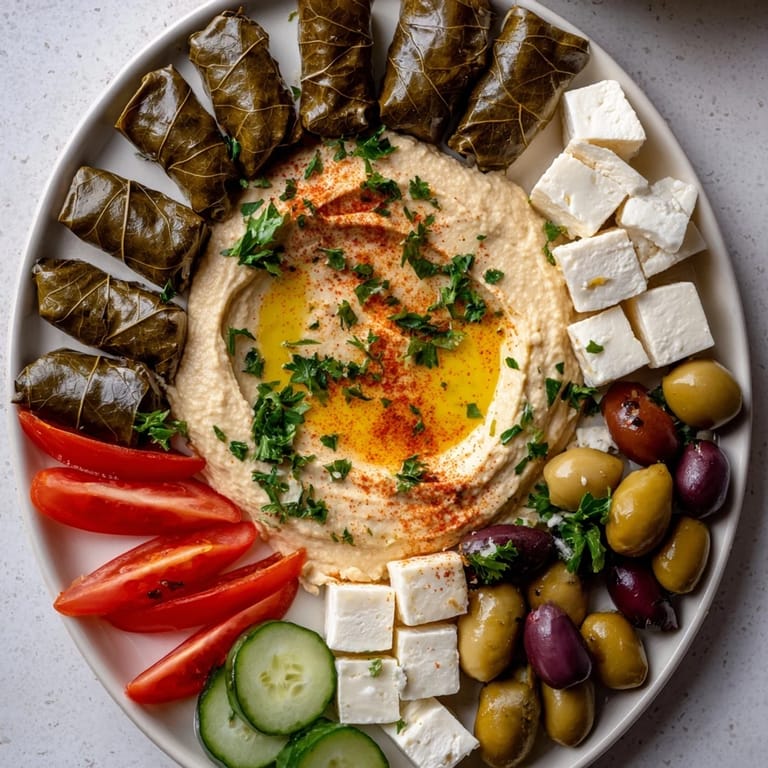
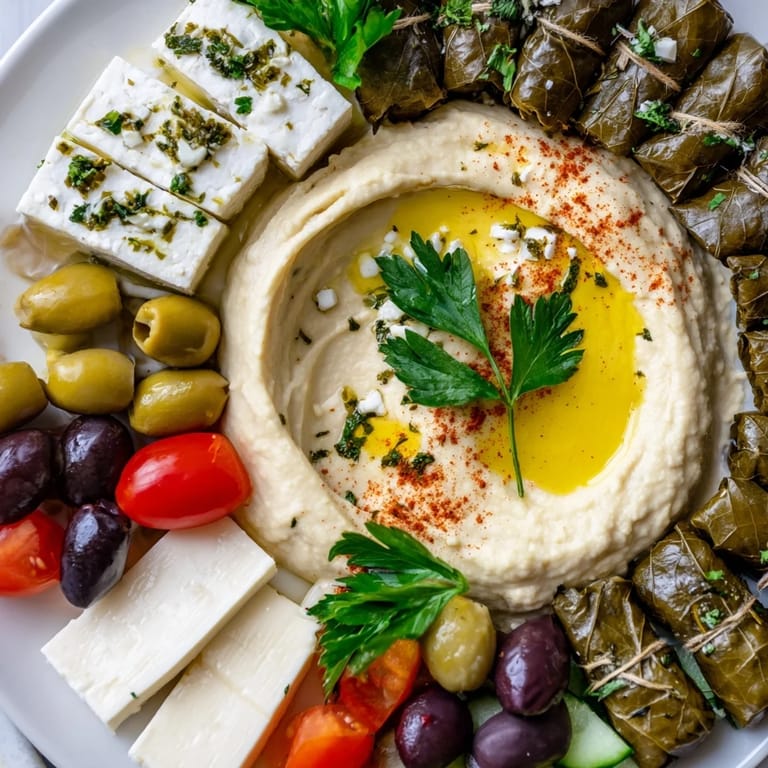
The platter features hummus made from chickpeas and tahini, stuffed grape leaves (dolmas), a selection of Turkish cheeses like feta and kasseri, marinated olives, fresh cucumber, tomato, lemon wedges, and parsley.
- → Can I prepare the stuffed grape leaves myself?
Yes, dolmas can be homemade by cooking rice with herbs and then wrapping it in grape leaves, but ready-made options are convenient and flavorful.
- → How should the olives be served for best flavor?
Toss the olives with extra-virgin olive oil and dried oregano to enhance their taste before arranging them on the platter.
- → What bread pairs well with this assortment?
Warm pita or flatbread cut into triangles is ideal to accompany the spread and absorb the flavors of the hummus and cheeses.
- → Are there suggestions for drink pairings?
A crisp white wine such as Turkish Narince or a traditional spirit like raki pairs beautifully with the meze's rich and varied flavors.